Vastu Chakra for Home: A Friendly, Real-World Guide to Directions, Energies & Room Placement

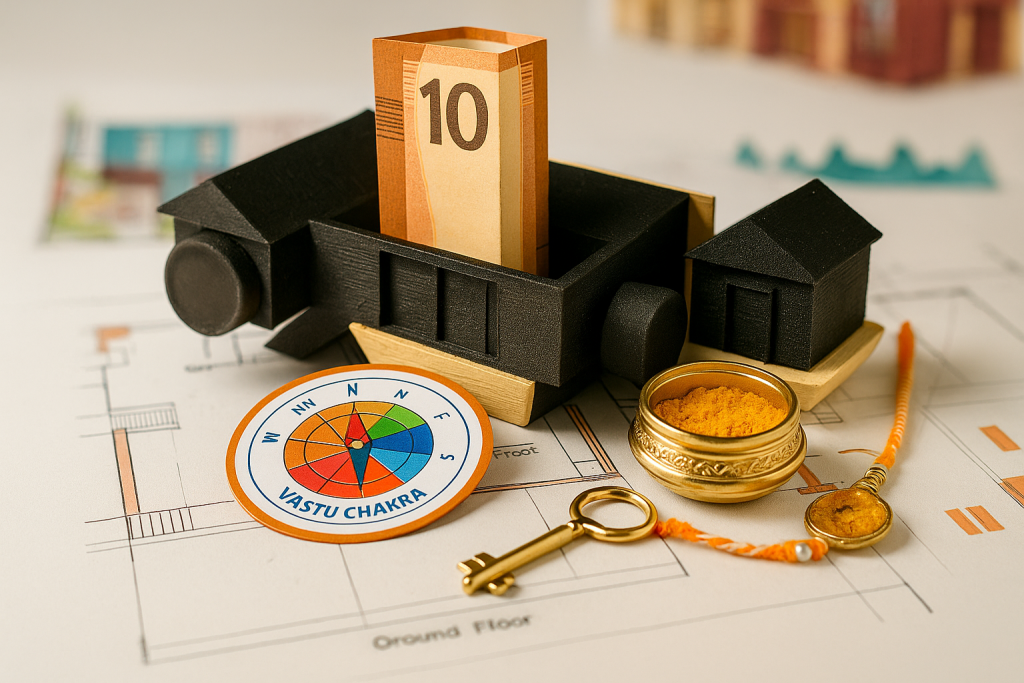
Most of us have experienced this at some point – walking into a house that instantly feels peaceful, or stepping into a room that just doesn’t “sit right,” even though everything looks perfect.
That quiet pull or push you feel? That’s the energy of the space doing its job. And in India, we’ve been tuning into this energy for ages through something called the Vastu Chakra for Home, a simple yet powerful way of understanding how directions and layouts influence daily life.
Think of it like the natural GPS of your home – guiding where certain rooms make more sense, where sunlight should fall, and how energies move in everyday spaces like your kitchen and bedroom. When we talk about Vastu directions for the house, we’re not stepping into something mystical. It’s more like tapping into nature’s logic: light, wind, balance, and comfort.
Over the years, on construction sites or chatting with families during home builds, I’ve seen one thing—homes that follow basic Vastu principles naturally feel more settled. Not perfect. Just better aligned.
The Vastu Chakra in Simple Words
Imagine dividing your home into a grid, like the squares in a carrom board. Each direction – north, south, east, west, and the diagonals – has its own purpose, its own vibe. The Vastu Chakra for Home simply tells you which activities match which direction.
For example, the east is all about early sunlight, clarity, and freshness. South is about stability and grounding. This is why the Vastu for bedroom direction often leans toward the southwest, because that side naturally brings a grounded, settling energy perfect for rest.
You don’t need a compass glued to your hand. Just a little awareness tied with practical logic.
Let’s Start With the Heart of Every Home: The Living Room
Every family has that one spot where everyone piles in – TV noise, chai, guests dropping by, evening gossip. That’s the living room. And in Vastu, it’s considered the “face” of the house.
- The Vastu for the living room usually recommends north or east-facing spaces. These directions get pleasant daylight, they feel more welcoming, and create a natural openness.
- Even if your living room isn’t exactly facing east, simply allowing more natural light or placing heavier furniture toward the south wall can balance things pretty well.
Where Energy Meets Heat: The Kitchen
The kitchen is one area where Vastu aligns perfectly with real-world functionality.
Fire, heat, and movement define this space.
- The southeast direction handles this energy best. That’s why Vastu for kitchen placement generally guides the cooking platform to face east; you get early sunlight, ventilation, and a natural balance to the heat.
- If your kitchen sits in a different direction, don’t panic. Small adjustments – placing water sources separately from the stove, keeping windows open for air circulation, and avoiding clutter- work wonders.
The Bedroom: Where Everything Resets
After a long day, dusty site visits, endless meetings, and kids’ homework, you want a bedroom that settles your mind. This is exactly where the Vastu for bedroom direction plays a quiet but powerful role.
- Southwest is best for the master bedroom. This side feels heavier, more grounded, and naturally stable – something your mind subconsciously loves after a tiring day.
- Bedrooms in the northeast often feel too bright or “active,” because that corner is meant for lighter activities like meditation or prayer.
- Even if your bedroom layout is fixed, here’s a simple hack: Place the bed on the south or west wall so your head points toward the south while sleeping. The quality of sleep improves drastically.
Why Directions Matter More Than We Think
When we look at Vastu directions for the house, it’s really about syncing with natural forces that already exist.
- The East brings morning light.
- North attracts steady, calm energy.
- West carries heavier evening heat.
- South grounds the structure.
- Northeast is the “cleanest,” most peaceful corner.
- Southwest feels settled and stable.
- Southeast holds natural fire energy.
- Northwest supports movement and airflow.
This is why some placements make instinctive sense. A pooja room in the northeast feels peaceful. A kitchen in the southeast feels natural. A living room in the north feels lively. These aren’t rigid rules – they’re just nature’s patterns.
Ideal Room Placement That Works
Here’s a natural, easy-to-grasp guide based on the Vastu Chakra for the home:
- Living Room → North or East
- Master Bedroom → Southwest
- Children’s Room → West or South
- Kitchen → Southeast
- Pooja Room → Northeast
- Study Area → East or North
- Dining Area → West or South
- Guest Room → Northwest
Again, none of this requires breaking walls. Even in apartments, shifting furniture, adding light, or reorganising rooms can create 80% of the effect.
Vastu Chakra for the home works exactly like the chakras of the body. The right alignment can transform the energy of the house. Whether it is Vastu directions for the house, Vastu for bedroom direction, Vastu for kitchen placement or Vastu for living room, it is not a regimented rule that requires reconstruction – subtle tweaks in the placement of the furniture, adding certain elements such a slighting and plants can balance out the alignment of the energies.
FAQs
1. Do I need major renovations to follow Vastu?
Not at all. Most homes get 80% aligned with simple tweaks in furniture placement, lighting, or room usage.
2. Can Vastu work in apartments?
Yes. Directional logic works everywhere. Even small changes, like how you sleep or where sunlight enters, make a big difference.
3. What if my kitchen isn’t in the southeast?
Follow basic Vastu for kitchen placement: good ventilation, stove facing east, and keeping clutter minimal.
4. Does the bedroom have to be southwest?
It’s ideal, but focusing on the bed direction and reducing heavy activity in the northeast is usually enough.
5. Should the living room always be north or east?
Not mandatory. But following Vastu for living room principles like openness, balanced furniture, and natural light helps anywhere.
6. How do I check Vastu directions for the house accurately?
Use any mobile compass app. Stand in the centre of your home and rotate to find directions.
7. Is Vastu religious?
No. It’s more like traditional architectural science based on sunlight, airflow, and comfort.