Vastu and Architectural Secrets Behind Kerala House Design

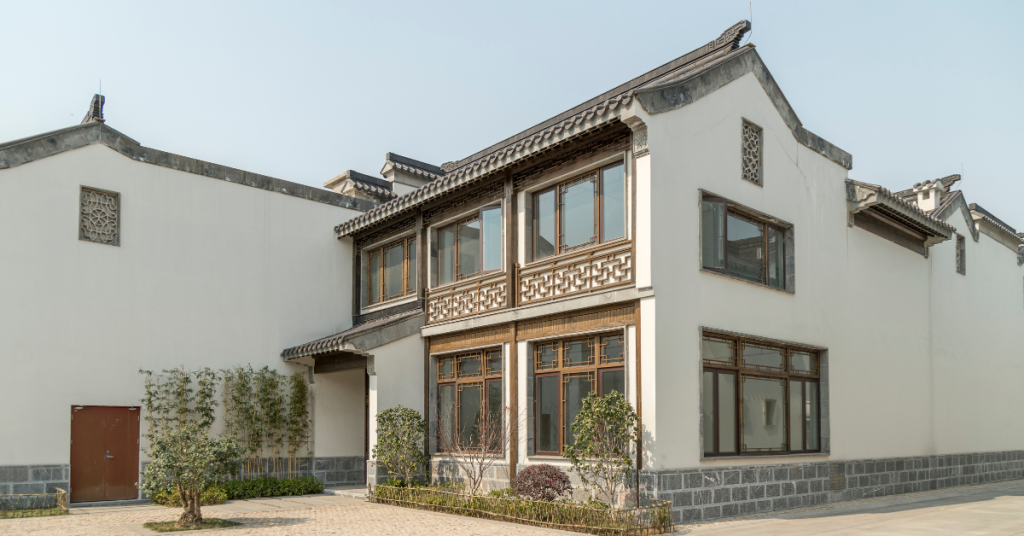
There’s something quietly comforting about a Kerala house design. The red-tiled roof that slopes gently, the wooden columns that frame a wide veranda – these aren’t just architectural choices; they’re part of a rhythm of life.
Walk into one of these homes, and you’ll sense it immediately – the flow of natural light and air- they’re shaped by the wisdom of Vastu Shastra and Kerala’s own understanding of space, climate, and comfort.
The Soul of Kerala Homes
An ancestral home in Kerala, known as a tharavadu, embodies the essence of Kerala’s heritage in home design. The proportions and the materials strike a balance between aesthetics and energy flow.
Earlier, Kerala’s builders aligned homes with the sun, constructed sloping roofs to manage rainfall, and utilised local materials to keep rooms cool without the need for a fan.
Even the modern Kerala house design borrows timeless principles such as the open courtyard (nadumuttam), the deep veranda, and the high roofline, which allows for air circulation.
Built for Climate, Not Just Looks
A well-made Kerala style house isn’t just about beauty – it’s built on engineering prowess.
- Kerala’s weather ranges from heavy monsoons to hot summers – that’s why the roofs are sloped, usually tiled, and stretch far beyond the walls, to keep both the sun and rain away.
- Thick laterite or brick walls keep the house cool during the day and release warmth slowly at night.
- The wooden ceilings breathe, allowing them to prevent moisture buildup.
- Even modern villas and duplexes follow these cues, blending concrete with wooden panels and sloping roofs to lend the Kerala style house design a timeless soul.
These practical touches have now become a design language – one that still influences contemporary house design in Kerala that builders rely on today.
Vastu Wisdom at Work
According to Vastu, every direction in a Kerala house plan has a purpose.
- The kitchen sits in the southeast, ruled by fire.
- The northeast corner stays light and open, often housing the pooja room or entrance.
- Bedrooms facing west or south for restful sleep.
This isn’t superstition.
Its logic was refined over generations. Kerala’s architects have been studying the path of the sun, airflow, and even how shadows fall during the day. They design homes to bring light in without heat and to let breezes cross through courtyards.
Even if you’re planning a modern Kerala house design, keeping these small Vastu cues in mind can make the difference between a house that looks good and one that feels right.
The Courtyard: Heart of a Kerala Home
In older homes, the courtyard (nadumuttam) wasn’t just a pretty feature. It was the home’s breathing space.
It kept rooms airy, let in light, and acted as a natural air conditioner. Families gathered there, children played, elders prayed – it was life itself.
Even in today’s Kerala home plans, you’ll often see a smaller version of that open space – sometimes a skylight, sometimes a small atrium near the staircase.
The idea remains the same: light, air, and connection.
A simple Kerala house design doesn’t mean plain or boring. It means using natural materials such as wood, clay tiles, and stone, and arranging them in a way that keeps energy moving smoothly.
Blending Old and New
Modern homes in Kerala are changing.
With the families getting smaller and the plots becoming tighter, the cultural influence is strong. A modern Kerala house design brings today’s comfort and lifestyle to the old world aesthetics.
A contemporary Kerala house design is a beautiful mix of the old and the new.
- Glass railings next to wooden balustrades
- A tiled roof fitted neatly with solar panels
- Open and airy kitchens that still follow traditional Vastu.
- Clean lines, sustainable materials, and layouts that consider the weather and climate.
An apt example is the way architects have recreated the nalukettu (the traditional four-courtyard layout). Instead of all four, they use one central space with skylights – a clever nod to tradition without overdoing it.
Kerala House Plans That Work Naturally
When you look at Kerala house plans, you’ll notice balance everywhere.
The house sits comfortably in its plot, surrounded by greenery, open pathways, and symmetry that just feels “right.”
A typical traditional layout flows like this:
- Veranda or poomukham in front for shade and welcome
- Living room connected to the courtyard
- Bedrooms are placed for cross ventilation
- Kitchen towards the southeast
- Open backyard for utilities and drying clothes
These Kerala home plans still inspire modern architects because they’re simple, human, and adaptable. You can scale them up for villas or shrink them down for compact urban plots – the core logic holds up beautifully.
Material Matters
There’s a reason Kerala homes age gracefully- the materials used are chosen not just for looks, but for how they age, how they react to moisture, and how they feel to the touch.
- Traditional ones were built almost entirely from local materials like teak, jackfruit wood, laterite stone, and clay tiles.
- In newer homes, concrete and steel have replaced some of those materials, but the warmth remains if you use them wisely.
- Even flooring tells a story – red oxide, vitrified tiles, or cool Kota stone, all fitting right in depending on the home’s personality.
- A Kerala style house design today might use concrete pillars, but cover them with wooden panels or terracotta jaalis to bring back that earthy comfort.
People often think Vastu is an old concept. But in truth, it’s architectural common sense.
If your Kerala house design lets in the morning sun, channels wind, avoids clutter, and keeps balance – you’re already living by Vastu.
At its heart, traditional Kerala homes were always about harmony – with nature, with community, and with oneself.
In the present day, where concrete and glass are the order of the day, Kerala’s architectural essence has proven that tradition still rules.
FAQs
1. What makes Kerala house design unique?
The blend of traditional Vastu, climate-responsive architecture, and natural materials like wood and tile roofs.
2. Can I combine modern and traditional Kerala home design?
Absolutely! Use modern layouts and finishes but retain core Kerala elements like sloped roofs and courtyards.
3. Are Kerala house plans Vastu-compliant?
Typically, yes. This is because the traditional Kerala home plans align with the flow of light and air.
4. What are the typical materials used in a Kerala style house?
Timber, laterite, clay tiles, and stone are used.
5. Can small plots build a Kerala house design?
Absolutely. Compact Kerala house plans can adapt easily to smaller spaces without losing charm.
6. Why are Kerala homes considered sustainable?
Because they use local materials, create natural ventilation, and are designed in a way that considers the environment.