Entrance Vastu: What Your Main Gate Says About Your Home

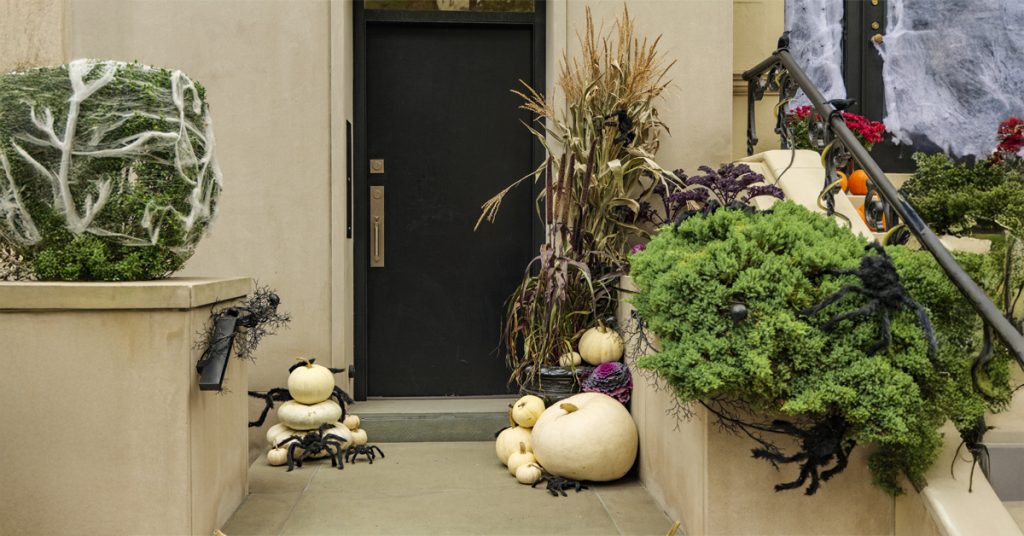
Before you even step inside a house, something about it has already spoken to you.
It could be the way the gate opens, the direction it faces, or simply how it feels to cross that threshold. In Vastu Shastra, this is no small matter — the main entrance is called the Simha Dwar (lion’s gate), the place where all the energy — good or bad — makes its first contact with your home.
Over years of site visits, I’ve seen this play out. A home with a well-placed, well-kept gate seems to breathe easier. The family inside often speaks of good health, steady finances, and harmonious relationships. And yes, when the entrance goes against Vastu, people will quietly admit to feeling unsettled, facing unexplained delays or repeated hurdles.
Why the Main Gate Holds Such Weight in Vastu
Vastu treats the entrance like the mouth of the house — it’s where “prana” (life energy) enters.
The direction it faces affects the quality of energy flowing in. The materials, the height, even the sound it makes when it opens can subtly influence the mood inside. And while tradition lays down strict rules, modern life often needs practical adaptations — which is where the balance comes in.
Auspicious and Inauspicious Directions
Here’s how the classic Vastu compass reads for entrances:
- East-facing main gate – Considered very auspicious. The morning sun brings warmth, vitality, and clarity. Excellent for families wanting growth and a sense of fresh starts.
- North-facing – Linked with wealth and opportunities, especially in career and business. Best kept open to light and free from clutter.
- North-East – Extremely positive for spiritual growth and harmony. Ideal for homes where meditation, prayer, or study is important.
- West-facing – Neutral to slightly favourable. Can support stability if designed well, though light and ventilation must be managed.
- South-facing – Traditionally seen as inauspicious, associated with high heat and aggression. If unavoidable, Vastu remedies can soften its effects.
- South-West – Generally avoided for the main entrance, as it’s believed to bring obstacles and sluggish energy.
If your plot or building forces you into a “less ideal” direction, don’t panic — Vastu offers simple, low-cost fixes.
Main Gate Vastu Quick Reference
| Gate Direction | Auspicious Colours | Preferred Materials | Vastu Notes |
| East | Light brown, green, natural wood polish | Solid wood (teak, sal), wood–metal combo | Welcomes morning sunlight; keep area open & bright |
| North | White, light blue, silver | Wood, wood–metal, mild steel with good finish | Linked to prosperity; avoid blockages in front |
| North-East | Yellow, cream, off-white | Wood, wood–metal | Strong spiritual energy; perfect for peaceful homes |
| West | Blue, grey, deep wood tones | Metal (iron, steel), wood–metal | Stability-focused; ensure ventilation & light |
| South | Red, maroon, earthy brown | Metal with wood panels | Needs remedies; keep well-lit & add Vastu symbols |
| South-West | Earthy shades, muted tones | Metal (iron/steel), heavy wood | Generally avoided; use protective motifs & plants |
Tip for Readers:
Save this chart as a quick reminder when buying, painting, or renovating your main gate.
The right combination of direction, colour, and material can align your entrance with the positive flow of energy — and the wrong mix can unintentionally block it.
Materials That Matter
The material of your main gate is more than a design choice — in Vastu, it’s tied to strength, security, and the energy you invite in.
- Wood – Warm, grounding, and preferred for east, north, or north-east gates. Teak or other dense hardwoods add a feeling of permanence.
- Metal – Strong and protective, suitable for west or south-facing gates. Iron with a good anti-rust finish works well.
- Wood-metal combinations – Offer balance between warmth and strength; ideal when you want both aesthetics and sturdiness.
Whichever material you choose, quality matters — a gate that sags, rusts, or rattles sends the wrong signal to both guests and energy flow. This is where a durable foundation and proper frame fixing, supported by strong cement and plinth work, makes all the difference.
Choosing Colours Wisely
In Vastu, colours aren’t random — they act like subtle mood-setters:
- East-facing – Light wood polish, shades of brown or green to enhance the sunrise energy.
- North-facing – White, light blue, or silver to invite prosperity.
- North-East – Yellow, cream, or off-white for peace and clarity.
- West-facing – Shades of blue or grey; can also handle deeper wood tones.
- South-facing – Red, maroon, or earthy browns for grounding (paired with remedies).
- South-West – Must be balanced with earthy shades and protective symbols.
Decorative Elements That Support Vastu
- Keep the entrance well-lit at night — darkness at the gate is seen as blocking energy.
- Use nameplates made of wood or metal, not plastic.
- Avoid thorny plants right at the gate; opt for tulsi, jasmine, or flowering shrubs instead.
- A clean threshold — even the line where the gate meets the driveway — should be free of cracks or broken cement.
- Traditional motifs or auspicious symbols (like Om, Swastik, or lotus) can be subtly added to the gate design.
Common Vastu Doshas (Flaws) & Remedies
Gate aligned directly with a back door – Energy passes straight through, leaving little for the home. Remedy: place a decorative screen, potted plants, or divider inside to slow the flow.
Creaking or jammed gate – Seen as blocking opportunities. Keep hinges oiled; replace damaged parts.
Main gate smaller than secondary gates – Can create imbalance; ideally, the main gate should be the largest and most prominent.
Clutter near entrance – Blocks positive flow. Keep shoes, bins, and unused items away from the immediate gate area.
A Note on the Surrounding Area
Even the best-positioned gate can’t work its magic if the approach is neglected. In Vastu, the path leading to your main entrance should be open, slightly rising (never sloping away), and free from obstructions like overhanging branches or poles.
The flooring and threshold should be strong, crack-free, and level — here’s where quality materials like JK Super Strong Weather Shield cement and durable wall putties ensure both look and longevity.
Living with What You Have
Not every home can follow every Vastu rule to the letter — and that’s fine. The real goal is to work with your space, not against it. If your main gate isn’t in the “perfect” direction, focus on upkeep, lighting, and symbolic remedies. A clean, solid, well-painted gate will always welcome more positivity than a perfectly placed but neglected one.
FAQs
1. Which direction is best for a main gate as per Vastu?
East and north are considered most auspicious, followed by north-east.
2. What is the best colour for an east-facing entrance?
Light brown, green, or natural wood polish enhances the energy.
3. Can I have a metal gate in a north-facing home?
Yes, but balance it with warm colours or wooden elements.
4. How can I fix a south-facing main gate in Vastu?
Use earthy colours, keep it well-lit, and place Vastu symbols or plants to reduce negative effects.
5. Should the main gate open inwards or outwards?
Inwards is preferred in Vastu, as it’s symbolic of energy entering the home.
6. Is it bad to have clutter near the main gate?
Yes, it blocks positive energy flow — keep the entrance clean and clear.
7. Which plants are good near the main gate?
Tulsi, jasmine, and flowering shrubs are considered auspicious.
8. Can I use two gates for my home?
You can, but the main gate should be the most prominent and well-kept.
9. Does gate height matter in Vastu?
Yes, it should be proportional to the house — too low reduces security, too high can feel unwelcoming.
10. How important is the material of the main gate in Vastu?
Very — it affects the feel and function. Wood brings warmth, metal offers strength; choose based on direction and climate.