Paver Blocks: Designs, Types, Price & Interlocking Paver Block Guide for Homes

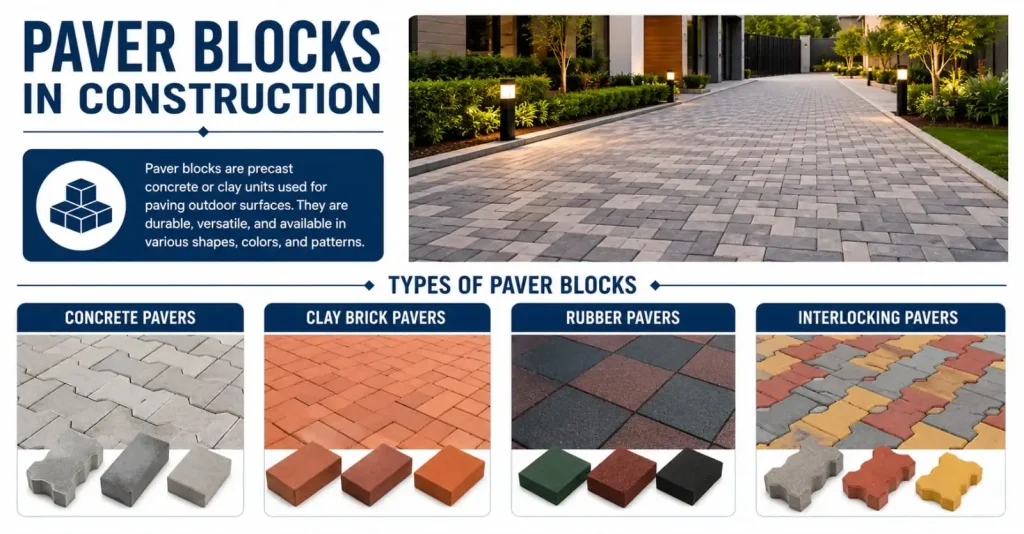
There’s a reason some driveways and garden pathways give off an upgraded vibe. The pavers on the floor are the reason we get awestruck by how a walkway elevates the ambience, or how patterned blocks elevate the look of the driveway.
Pavers don’t just cover the ground. They quietly upgrade the whole space.
From small home entrances to large parking areas, a good paver block design can handle daily wear, monsoons, and even heavy vehicles – without the cracking issues you usually see in plain concrete.
And once you explore options like interlocking paver block design, it becomes clear why more homeowners are moving away from traditional flooring.
What Are Paver Blocks?
At its core, pavers are pre-made concrete blocks used for outdoor flooring. Instead of pouring a slab and waiting days for it to set, these blocks are laid piece by piece.
The most common paver block design includes:
- Solid concrete units.
- Different shapes like zig-zag, rectangular, or hexagonal.
- Edges that lock into each other.
That locking system is so precise that it gives the interlocking paver block design durability – it holds everything together without needing heavy binding.
Why Pavers Are Preferred Over Plain Concrete
A freshly poured concrete driveway looks perfect at first. But one monsoon later, cracks start appearing.
That’s where pavers win.
- They are Flexible under pressure – they adjust instead of cracking
- They are Easy to fix – replace one block, not the whole area
- They provide Better drainage – water doesn’t sit and damage the surface
- They give a Cleaner finish – a good paver block design just looks more complete
In real-world site conditions, these small advantages make a big difference.
Types of Paver Blocks You’ll See
Not all types of pavers are the same. Here’s what you’ll typically find:
1. Concrete Pavers
Most common and widely used.
Strong and durable.
Budget-friendly.
Available in multiple paver block design options.
Used in almost every residential project.
2. Clay Brick Pavers
A more traditional option.
Natural in look.
High Paver Block Price.
Works well in garden areas.
3. Rubber Pavers
Less common for homes.
Soft and slip-resistant.
Used in play areas.
4. Interlocking Pavers
The go-to choice today.
Tight fit between blocks.
Handles heavy loads well.
Wide range of interlocking paver block design patterns.
For driveways, this is usually the safest bet.
Popular Paver Block Designs That Actually Work
Appearances aren’t only enhanced by the design – they are enhanced by how long they last, too.
Some practical paver block design options:
- Zig-Zag Pattern Design
- Strong grip
- Good for parking areas
- Herringbone Pattern Design
- Best for load distribution
- Ideal for driveways
- Basket Weave Design
- More decorative
- Works well in patios
- Running Bond Design
- Simple layout
- Good for walkways
- Interlock Paver Design
A smart interlocking paver block design balances both durability and looks.
Real Site Insight
At times, homeowners choose thinner pavers to cut costs for a parking area.
Within months, the blocks start shifting. Eventually, the whole surface has to be redone.
That’s the thing with Pavers Block Price – saving upfront can cost more later.
How Paver Blocks Are Installed
Installation is where things either go right or completely wrong.
Here’s how it should be done:
- Remove topsoil.
- Add and compact a base layer (gravel or sand).
- Level the surface.
- Lay blocks as per the paver block design.
- Compact the surface.
- Fill joints with sand.
A solid base is what makes an interlocking paver block design last for years.
Common Mistakes to Avoid
- Choosing low-quality pavers
- Ignoring base preparation
- Using thin blocks for heavy loads
- No slope for water drainage
Even the best-looking paver block design fails if the groundwork is weak.
Where You Can Use Paver Blocks
Pavers work well for:
- Driveways
- Walkways
- Garden paths
- Courtyards
- Outdoor seating areas
With the right interlocking paver block design, even a basic space can feel well-finished.
Why the Base and Material Quality Matter
People often focus only on how pavers look. But their long-term performance comes from what’s underneath.
A strong base and good material – such as JK Super Cement – ensure:
- No sinking
- Better load handling
- Longer life
Whether it’s slabs or pavers, the foundation does most of the work.
Things To Remember When Installing Pavers
- Pavers are durable and easy to maintain.
- A good paver block design improves both strength and look.
- An interlocking paver block design is best for heavy use.
- Paver block price depends on thickness and quality.
- Installation matters more than design.
A good paver block design doesn’t require endorsements. It just works from day to day, season after season.
And after a few monsoons, when everything else starts showing wear and tear, you’ll quietly notice that the pavers are still holding strong.
FAQs
1. What are paver blocks used for?
Pavers are used for outdoor flooring like driveways, paths, and patios.
2. Which is the best paver block design for driveways?
Herringbone or zig-zag interlocking paver block design works best.
3. What is the average paver block price?
The Pavers Block Price usually ranges from ₹40 to 80 per sq. ft.
4. Are pavers better than concrete?
Yes. Pavers are more flexible and easier to repair.
5. Do paver blocks need maintenance?
Pavers require minimal maintenance – just cleaning and occasional joint refilling.
6. Which thickness is ideal?
60mm for walkways, 80 – 100mm for parking areas.
7. How long do pavers last?
With proper installation, pavers can last 15–20 years.