What is Sealant?

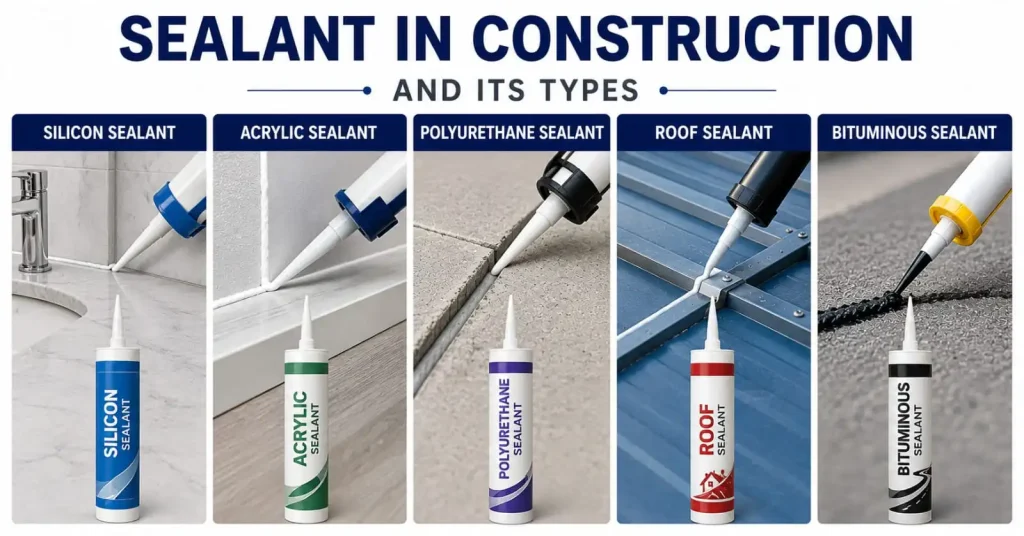
If you’ve ever seen water seep through a terrace during monsoon, you already understand the importance of a sealant. Even if you didn’t know the word for it.
The site had fresh plaster and good concrete; everything looked perfect. Then the rains came early. Within two weeks, hairline cracks started showing, and water found its way in. Not because the structure was weak, but because small gaps were ignored. That’s where a sealant steps in.
In construction, it’s often the tiny joints, edges, and corners that decide whether a building stays dry or starts aging early. A good roof sealant or silicon sealant works quietly in the background. No one notices it until it’s missing.
So if you’ve ever wondered what sealant is, think of it as that invisible layer of protection that keeps your home tight, dry, and durable.
Read on to find out the details!
What is Sealant?
At its core, the answer is pretty simple. A sealant is a material used to block gaps, joints, or openings. This not only prevents air but also water and dust from passing through. For example, the rubber lining around your fridge door. Without it, cold air escapes. With it, everything stays sealed. The same concept applies in buildings, just on a larger scale.
On-site, we use sealants in places where two materials meet. Given below are some common areas where you can use sealant:
- Between tiles and walls
- Around window frames
- On expansion joints in concrete
- Along terrace cracks using roof sealant
A silicon sealant is one of the most common types used because it stays flexible. That flexibility matters. Buildings expand in heat and contract in cold, especially in Indian weather. A rigid material would crack. A good sealant bends with the structure.
And this is where many people get it wrong. Cement fills gaps. But a sealant protects them long-term.
What Are the Different Types of Sealant?
Walk into any hardware shop and you’ll see different tubes and cartridges. All of them look similar, but each sealant has its own job. Below are some common types of sealant:
Silicon Sealant
This is probably the most widely used sealant on modern sites.
- Highly flexible
- Waterproof
- Resistant to temperature changes
You’ll see silicon sealant used around glass panels, windows, and bathrooms. It handles moisture better than most materials.
Acrylic Sealant
This type of sealant is easier to apply and paint over.
- Good for indoor gaps
- Not as flexible as silicone
- Budget-friendly
Painters often use this before finishing walls.
Polyurethane Sealant
A stronger, more industrial-grade sealant.
- High durability
- Excellent adhesion
- Used in heavy construction
Ideal for joints in concrete structures and highways.
Roof Sealant
As the name suggests, a roof sealant is specifically designed for terraces and rooftops.
- Prevents water seepage
- Handles UV exposure
- Works well with waterproofing systems
In cities like Mumbai or Chennai, where rainfall is intense, using a proper roof sealant is not optional. It’s basic survival for the structure.
Bituminous Sealant
This type of sealant is used in waterproofing and roofing work.
- Thick and sticky
- Great for cracks in terraces
- Works well with asphalt surfaces
Each sealant type exists for a reason. Choosing the wrong one is like wearing chappals to a construction site. You’ll manage for a while, but problems will show up soon.
What Are the Benefits of Sealant?
People often underestimate the role of a sealant because it’s not as visible as paint or tiles. But ask any site engineer; this small material saves big repair costs later. What’s more? Here are the benefits of sealant:
- Waterproofing Protection
A good roof sealant prevents water from entering the structure. And once water gets in, repairs become expensive.
- Flexibility
Unlike cement, a silicon sealant can stretch and move. This handles temperature changes and structural movement.
- Durability
A quality sealant increases the lifespan of joints and surfaces. Less cracking means fewer maintenance headaches.
- Improved Finish
Sealants give a clean, finished look to joints and edges. Especially in interiors, this matters more than people realize.
What Are the Common Applications of Sealant?
You’ll find a sealant almost everywhere on a construction site. But it is not always visible.
- Bathrooms and Kitchens
These are moisture-heavy zones. A silicon sealant is used around sinks, tiles, and fittings to stop water from entering gaps.
- Windows and Doors
Gaps around frames are sealed using a flexible sealant. This prevents rainwater leakage, dust entry, and air drafts.
- Terraces and Roofs
This is where roof sealant becomes critical. Even a small crack can allow water to seep in and damage the slab over time. A proper roof sealant layer protects the entire surface.
- Expansion Joints
Buildings move. Expansion joints are designed to handle that movement, and a flexible sealant fills those joints without cracking.
- Exterior Walls
Cracks on outer walls are sealed to prevent water ingress. Many contractors combine good plaster, quality cement (like those used in durable construction systems), and the right sealant to ensure long-term performance.
- Flooring and Tiles
Tile joints are often sealed to avoid water penetration and staining. Without a sealant, those joints become weak spots
The Final Words
If you strip construction down to basics, it’s really about controlling what goes in and what stays out. That’s where a sealant quietly does its job.
Whether it’s a roof sealant protecting your terrace during heavy rains or a silicon sealant keeping your bathroom joints watertight, this small detail makes a big difference.
We often focus on big decisions like cement, steel, and design. But buildings don’t fail only because of major issues. They fail at the edges, the joints, the unnoticed gaps.
Understanding what a sealant is really about understanding durability. Because in the end, it’s not just about building fast. It’s about building something that lasts through seasons, heat, and time.
FAQs
1. What is sealant used for in construction?
A sealant is used to fill joints and gaps in construction, preventing water, air, and dust from entering. It helps improve durability, waterproofing, and overall protection of structures.
2. What is the difference between sealant and cement?
Cement provides structural strength and hardens over time, while a sealant remains flexible and is used to close gaps, allowing movement without cracking.
3. Which is better: silicon sealant or acrylic sealant?
Silicon sealant is ideal for wet areas due to its waterproof and flexible nature, while acrylic sealant works best for indoor applications where paintability is needed.
4. Where is roof sealant applied?
Roof sealant is applied on terraces, rooftops, and cracks to prevent water leakage and protect the structure from weather damage.
5. How long does a sealant last?
A good quality sealant typically lasts between 5–10 years, depending on weather exposure, surface conditions, and application quality.
6. Can sealant stop water leakage completely?
Yes, when applied correctly, a sealant can effectively block water seepage and protect surfaces from moisture damage.
7. Is sealant necessary for small cracks?
Yes, sealing small cracks early prevents them from expanding and causing bigger structural or leakage issues later.