Pooja Room Design Ideas – Interior, Door & Décor Inspirations

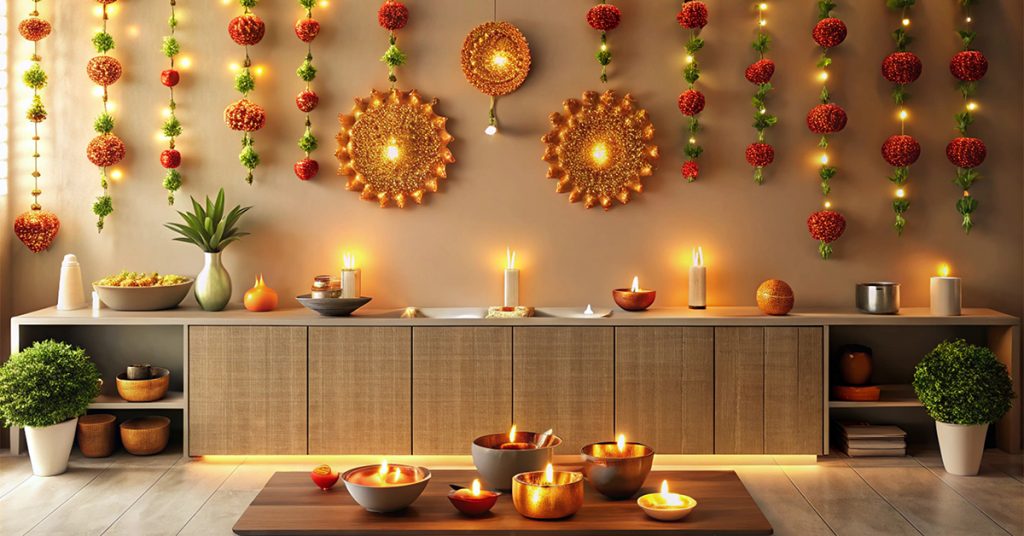
In most Indian homes, there’s that one space that stays untouched by chaos. It is where the peace prevails, even on the busiest days.
That’s the pooja room – quiet, grounded, and deeply personal.
The best part? You don’t need a grand space to create that feeling. Whether you convert a room into a full mandir or create one on a small wooden shelf, the right pooja room design is what gives it the sacred, calm feel and becomes your home’s rhythm.
Choosing the Right Corner
Before talking about décor, it starts with placement. Traditionally, the northeast corner is ideal. But in most city apartments, we make do with what we have — a corner in the living room, a spare wall near the kitchen, or even a small partition near the entryway.
The secret is finding a space that is peaceful, well-lit, and easy to access.
If you’re setting up a pooja room design for home, look for a corner that catches some morning light or can hold a soft lamp. Avoid places right next to bathrooms or beneath stairs — it throws off the serenity.
Even a niche carved into a wall can work beautifully if styled right. The goal isn’t grandeur – it’s grace.
Making the Interior Feel Calm
When it comes to pooja room interior design, the idea is to make it feel warm, not heavy. Think of tones that relax the eyes — soft whites, muted golds, gentle creams, or natural wood.
Wood and marble are timeless choices. Wooden panels are a great way to add warmth, whereas marble exudes a sense of purity. Try a balanced approach – a wooden base with a marble backdrop or border.
Lighting plays a very crucial role as well. A soft glow from behind the idol, a tiny focus light above it, or concealed LED strips can completely change how the space feels. Avoid bright white tube lights — a warm yellow tone gives that temple-like softness we all love.
A simple puja room interior design doesn’t need fancy décor. It just needs quiet detailing — a brass diya, a small urli with petals, maybe a framed mantra.
Doors That Frame the Sacred
A good pooja room door design can add personality without overpowering the space.
In older homes, we often saw carved teak doors with tiny bells — that design still holds charm. Those brass bells and lattice patterns let light and fragrance flow naturally.
If you prefer a cleaner look, go for wooden doors with laser-cut jaali panels. The play of light that comes through those cut-outs looks stunning during evening aarti.
For smaller homes, sliding doors are great as they save space and still look elegant.
Frosted glass doors with subtle engravings like om symbols, mandalas, or floral patterns are the new trend. They keep the pooja room private and still preserve the openness and welcoming vibe.
Whatever the design, your pooja room door design should have the same tone as the rest of the house.
When Space Is Less
Small homes can also have the most beautiful pooja space. If space is a constraint, a small pooja room design for the home can be created on a single wall or even inside a glass door cabinet.
Wall-mounted units with drawers underneath work perfectly for storing mandir essentials.
Some homeowners create pooja corners near windows, so natural light becomes part of the experience. Others use a folding door or sliding partition that opens into a serene space only during prayer.
If you’re redoing your pooja room interior design, remember — open space around the idol matters more than decoration. A clutter-free setup automatically feels divine.
The Little Touches That Matter
A pooja room should look beautiful, but it should also feel right. Small choices make that difference.
Use brass or copper for diyas — they age gracefully and always look authentic. Keep a dedicated chowki or mat for sitting, and if you have space, a small wooden stool for offerings.
Add a few framed quotes or verses on the wall for that instant divine elevation. That’s what a pooja room design is truly about — creating an emotional connection.
Mix of Modern and Traditional
Homes today are evolving. We blend new with old — and that reflects in how we pray too.
A modern pooja room interior design doesn’t have to mean losing tradition. Cleaner lines, hidden storage, and subtle tones can bring more elegance than an over-the-top ornamented pooja room..
A carved wooden mandir in a contemporarily furnished home room might look out of sync – consider adding a sleek marble backdrop with brass edges to set the balance right.
Some people even mix textures — glass shelves with wooden framing, or marble tiles with soft golden lighting.
The best spaces come from balance. A pooja room that feels connected to your home’s design — not cut off from it — is the one you’ll actually use every day.
Don’t Forget Comfort
If you sit for longer prayers, design the space to be comfortable. Consider leaving legroom, avoiding sharp corners, and keeping the height of the platform easy to reach.
Marble or matte tiles work well for flooring. And if the space allows, add a low window or a soft curtain to filter light — it adds both beauty and calm.
A thoughtful puja room interior design isn’t about cost — it’s about care.
A Room That Feels Personal
Every pooja room design for the home reflects the people living in it. Some families keep their space minimal — a single lamp, a tulsi plant, and silence. Others fill it with colour, silver idols, and flowers. Both are beautiful in their own way.
The idea is not to follow a trend, but to build something that feels yours. Something that makes you pause for a second, even on your busiest mornings.
If there’s one rule, it’s this: keep it clean, keep it honest. Simplicity is the key to retaining the positive aura of the pooja room.
The most powerful pooja room interior design isn’t about décor — it’s about what it portrays.
A pooja room is the soul of the house — a small reminder of stillness in a busy world.
Whether you go traditional with carved wood and brass bells, or modern with soft marble and frosted glass, make sure the design speaks to you.
The best pooja room design doesn’t follow a rulebook — it follows feelings. When you walk in, it should make you breathe a little slower, smile a little softer, and remember what peace feels like.
Design a pooja room that radiates peace, purity, and timeless beauty — built on the enduring strength of JK Cement. From smooth finishes with JK PPC Cement to moisture protection with JK Super Protect Cement, and eco-conscious construction using JK LC3 Cement, India’s first low-carbon cement — build every sacred space with trust and durability that lasts for generations.
FAQs
1. What’s the best place to build a pooja room at home?
Direction-wise, the northeast corner is considered the best direction for a pooja room as it gets the morning light. But practically, choose a peaceful, undisturbed spot with good ventilation for pooja room design for home.
2. How can I make a small pooja corner look beautiful without crowding it?
Keep it simple and uncluttered. Place one or two idols, a small diya, and use calm colours such as pastel green, yellow or off-white and warm lighting – that is all you need.
3. Which materials work best for a peaceful puja room interior design?
Wood, brass and marble are timeless choices. You can mix both – a wooden frame with a marble backdrop or brass accents.
4. What kind of lighting should I use in my pooja room?
Ideally, natural and warm lighting. Avoid harsh or overly bright lights. Try LED strip lights behind the idol or soft golden pendant lamps.
5. What are some good ideas for pooja room door designs?
For a traditional look, go for a carved wooden door with small brass bells or jaali doors are classic. For a modern look, glass doors with etched patterns, painted glass and sliding wooden panels are great options.
6. How do I blend a pooja room with a modern apartment layout?
Create subtle separation – something like a different flooring, a glass partition, or even a rug can define the space.
7. What are some simple décor touches that make the pooja room feel special?
Good ventilation, soft breeze, natural light, fresh flowers every morning, maybe a brass bell hanging near the doorway, and a small chowki for offerings create a pure ambience. A frame with a mantra and warm lighting also brings warmth to a pooja room design for home.