Wash Basin: Types, Designs, Sizes, Materials & Installation Guide for Modern Homes

Wash Basin
A wash basin may look like a small detail in your home, but use it once every day, and you’ll realise how important it is.
From brushing in the morning to washing hands before dinner, the wash basin quietly handles more traffic than most fixtures.
Choosing the right wash basin design, size, and material makes daily life smoother and avoids plumbing regrets later.
This guide breaks down everything you need to know about selecting the right basin, whether it’s for a bathroom or a kitchen basin setup.
Why the Right Basin Actually Matters
Most people choose a basin based on looks. But on-site, issues arise that could have been avoided with better planning. The wrong basin design can turn into daily irritation.
A modern wash basin design isn’t just about style – it’s about comfort, plumbing alignment, and space use. In small urban bathrooms, the basin needs to save space. In large homes, it should complement the interior. And in kitchens, a kitchen basin must handle heavy use without chipping or staining.
Once you start thinking practically, selecting a wash basin becomes easier.
Types of Wash Basin
There isn’t just one type of basin. Each suits a different home setup.
Wall-Mounted Wash Basin
This one is fixed directly to the wall. It is preferred because:
- Saves space
- Easy to clean below
- Good for small bathrooms
In apartments, this wash basin is common because it keeps the floor open.
Pedestal Basin
This is a classic basin design supported by a stand. Its advantages are:
- Hides plumbing
- Simple look
- Works in most homes
It is still popular in many Indian houses.
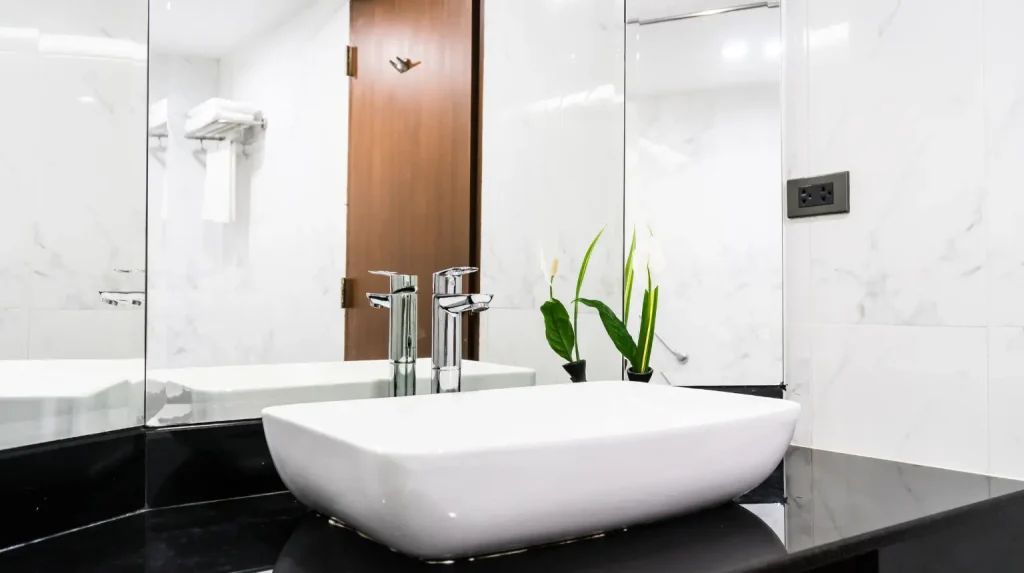
Countertop Basin
This modern wash basin design sits on top of a counter. It is a great option as it:
- Looks stylish
- Needs more space
- Easier to pair with designer taps
Under-Counter Basin
This is installed below the counter, and gives:
- Clean finish
- Less visible edges
- Easy to wipe water straight into the basin
Kitchen Basin
A kitchen basin is deeper and stronger. It:
- Handles heavy utensils
- Resists stains
- Usually made of steel or granite
Bathroom basins focus on comfort. Kitchen basins focus on toughness.
Wash Basin Design Trends in Modern Homes
Trends change constantly, but practicality remains constant. The current preference leans towards:
- Clean rectangular basin designs
- Soft matte finishes instead of glossy shine
- Thin-edge wash basin styles that look light and neat
- Simple, neutral colours that blend easily with any bathroom
One useful trend is placing the wash basin outside the toilet area. It improves hygiene and keeps the bathroom less crowded.
For smaller bathrooms, a compact wash basin design is ideal.
In bigger homes, you’ll see double basins in master bathrooms.
Sizes: Don’t Ignore This
This is where many people make mistakes. Here are some significant rules:
- Standard bathroom wash basin width usually ranges between 16 and 24 inches
- Depth should be enough to prevent splashing—around 5 to 8 inches works well
- For a kitchen basin, depth is more important
- Kitchen basin depth should be at least 8 to 10 inches so larger vessels fit easily
If the basin is too small, water spills out. Too large, and it feels uncomfortable in tight spaces.
Before finalising a wash basin design, check the wall width, plumbing outlet position, and user height.
Materials Used in the Wash Basin
Material decides how long your basin will last.
Ceramic
This is the most common choice for a wash basin because it is:
- Easy to clean
- Affordable
- Long-lasting
Stainless Steel
Mostly used for kitchen basins, stainless steel is:
- Durable
- Rust-resistant
- Handles heavy work
Glass
Glass is usually seen in decorative wash basin designs.
- Looks elegant
- Needs careful maintenance
Natural Stone
Granite or marble are common basin design options. They are:
- Strong
- Unique finish
- More expensive
Choose based on use. A guest bathroom can handle a designer wash basin. A kitchen basin needs durability first.
Installation Guide
Installation isn’t complicated, but it must be done right. Here is a step-by-step guide to installing a wash basin:
- Check plumbing
The water and drainage system must align with the basin design. - Ensure proper support
A wall-mounted wash basin needs strong anchors. Weak support can cause cracks over time. - Create a drain slope
Water should flow easily without clogging. - Seal edges well
Edges must be sealed properly to prevent leakage.
Good installation matters more than fancy design.
Common Mistakes To Avoid
A wash basin performs its function when installed correctly. These errors can cause bigger issues later:
- Choosing shallow basins – creates a messy bathroom
- Ignoring water pressure – leads to water splashes
- Installing at the wrong height – causes discomfort
- Ignoring daily comfort and concentrating only on style
A good wash basin design should make life easier, not more complicated.
Conclusion
A wash basin may not be the most glamorous part of your home, but you use it every day. The right basin needs fewer repairs, less cleaning stress, and offers more comfort.
Take your time. Measure properly. Install carefully. A well-chosen wash basin quietly serves your home for years without demanding attention.
FAQs
1. What is the ideal height for a wash basin?
Around 30–34 inches from the floor works comfortably for most adults.
2. Which material should I choose for a kitchen basin?
Stainless steel – it is durable and easily maintained.
3. Is it practical to install countertop basins?
Yes, but ensure there is enough space and it is properly installed.
4. How do I prevent splashing in my basin?
Choose adequate depth and align the faucet correctly.
5. Does a wash basin need waterproofing?
Sealing around edges helps prevent wall damage.
6. How long does a ceramic wash basin last?
With proper care, 10–20 years easily.
7. Can only the basin be changed without changing plumbing?
Yes, as long as the new basin system matches existing pipe positions.