Smart Home Technologies to Integrate in New Homes

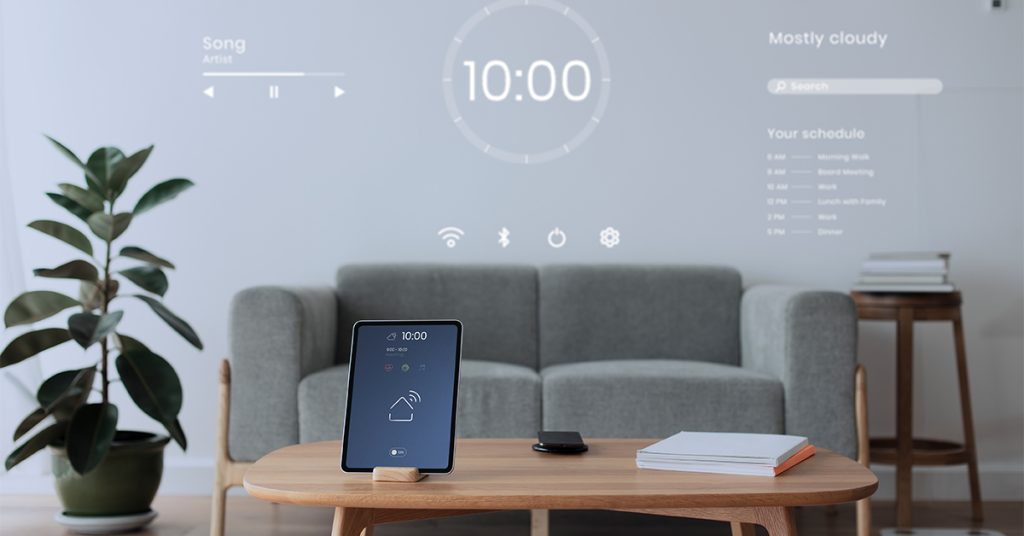
There’s a certain magic in walking into a room and having it light up just right — not too bright, not too dim, just how you like it. Or having the AC switch on ten minutes before you reach home, so the summer heat doesn’t greet you at the door.
For many in India, “smart home” still sounds like a luxury. But here’s the thing — if you’re building new, planning for these systems early doesn’t cost as much as trying to fit them in later. The real trick is thinking about the invisible parts: wiring, network strength, and how your structure supports it all.
Smart Home Planning Isn’t About Gadgets — It’s About Infrastructure
Too often, people focus on the shiny end products — the touchscreen switches, app-controlled lights, the sleek video doorbell. But none of it works well without the hidden backbone.
Imagine installing an advanced security camera system only to discover your Wi-Fi signal drops every time you walk past the stairwell. Or putting in an automated curtain system and realising later that the wall you drilled into has weak plaster that won’t hold the motor securely.
Smart home planning in India works best when you start with:
- Structured cabling (Ethernet + power points) in key zones.
- Strong Wi-Fi coverage — routers and access points placed with intention.
- Solid mounting surfaces — because heavy tech needs reliable walls and fixtures.
Building in the Right Categories from Day One
Think of your smart home in sections — it’s easier to plan without getting overwhelmed.
1. Security & Safety
From video door phones to motion sensors, today’s systems do far more than just sound alarms. Some can alert your phone, turn on pathway lights, and even trigger cameras when there’s movement.
Plan conduit routes for camera wiring before plastering — it’s cleaner, safer, and keeps your façade neat.
2. Lighting Control
Automated lighting isn’t just about dimming — it’s about creating moods and saving energy. Pre-wiring for smart switches or central lighting hubs means you don’t need to tear up walls later.
3. Climate Control
Smart thermostats and zoned air-conditioning save energy while keeping every room comfortable. Make sure electrical points and network ports are near AC units, especially in large living spaces.
4. Entertainment
Home theatre setups, distributed audio, or even simple TV points benefit from concealed wiring and soundproofing. Cement-based wall finishes, like those with JK WallMaxX, can help reduce sound bleed while keeping walls smooth for mounting.
5. Energy Management
Smart meters, solar integration, and automated blinds all contribute to efficient living. Structural provisions — like reinforced roof areas for solar panels — should be discussed with your builder early.
The Pre-Wiring Mindset — A Builder’s Best Friend
It’s easier to put in a conduit when walls are open than when they’re painted and polished. That’s why a pre-wiring checklist helps both homeowners and architects avoid “I wish we’d thought of that” moments later.
Pre-Wiring Checklist for New Homes
- Ethernet cabling to every major room (even if you think Wi-Fi will be enough).
- Power points placed with future upgrades in mind — especially for areas like the entrance (video doorbell), living room (smart TV), and bedrooms (motorised blinds).
- Empty conduits for future tech in ceilings and walls — capped neatly until needed.
- A central hub space — a small cupboard or niche for routers, hubs, and controllers, with ventilation.
Why Network Strength is the Real Heart of a Smart Home
You can have the most advanced smart lock in the market, but if the Wi-Fi at your gate is patchy, you’ll be standing there tapping your phone in frustration.
For multi-floor Indian homes, mesh Wi-Fi systems or wired access points make more sense than relying on a single router. And when you run Ethernet during construction, you avoid the mess of wires hanging down the stairwell later.
Protecting Technology with Strong Construction
It’s worth remembering — all these devices, cables, and mounts rely on your home’s structure. A weak wall can make your expensive wall-mounted display droop. Moisture seepage can damage concealed wiring. Poorly cured plaster can loosen fixings for motion sensors or curtain motors.
This is where high-quality cement, like JK Super Strong, ensures you have walls that hold weight, resist cracks, and keep moisture out. Paired with weather-resistant finishes, your tech investments stay secure for years.
A Homeowner’s Smart Planning Checklist
From one homebuilder to another, here’s what I tell friends who are going the smart route:
- Think about daily life, not just tech specs. Where do you stand with your phone when opening the main door? Where do you usually sit to watch TV?
- Walk the cable routes on-site. Before plastering, check if the planned conduits actually reach where you need them.
- Label everything. Future-you will thank present-you for tagging wires in the hub space.
- Leave room for change. Technology moves fast — an extra conduit or power point now could save a wall later.
- Strength first, then gadgets. Your devices will only be as secure as the walls, mounts, and finishes holding them.
This isn’t about turning your home into a sci-fi movie set overnight. It’s about creating a space where comfort, efficiency, and security are woven into the walls — literally.
When you plan it right from the foundation up, your home won’t just be smart on day one. It will still feel smart, solid, and ready for what’s next, years down the line.
FAQ
Q1: How do I plan smart home wiring in India?
Start during construction. Run Ethernet and power points to every key room, leave empty conduits for future devices, and create a central hub for controllers.
Q2: What is the best home automation layout?
One that divides your smart devices into zones — security, lighting, climate, and entertainment — and connects them through a strong network with easy access for maintenance.
Q3: Do I need Wi-Fi or wired connections for a smart home?
Both. Wi-Fi is convenient, but Ethernet is faster and more stable for key devices like security systems or entertainment hubs.
Q4: Can I add smart home features after construction?
Yes, but it’s costlier and messier. Pre-planning saves time, labour, and avoids damage to finished walls.
Q5: How do I make sure my smart home lasts?
Build with durable materials to protect wiring and mounts, keep moisture out, and ensure your structure can support heavy tech like motorised blinds or large displays.
Q6: What smart devices should I prioritise first?
Security and energy efficiency devices — such as smart locks, cameras, and climate control — offer the biggest benefits right away.
Q7: Is smart home planning expensive?
The tech can be, but running conduits, adding power points, and ensuring strong walls during construction is a small investment that saves more later.