Must-Have Rooms in a Modern Indian Home

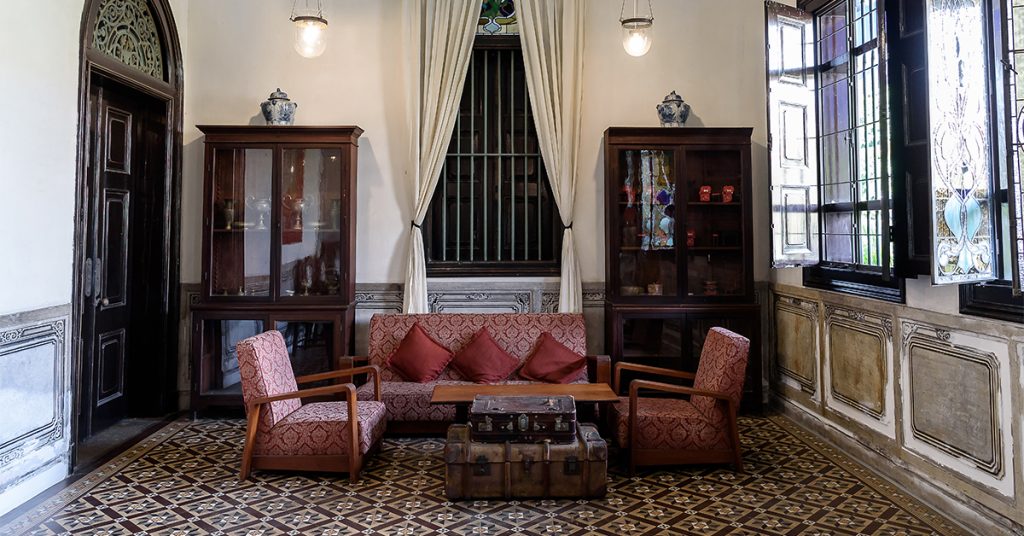
When you think of your “dream home,” you probably picture more than just walls and a roof. You see moments — the laughter around a dining table, quiet evenings in a balcony chair, the smell of incense in a puja corner, or your kids sprawled on the floor in the family lounge.
The way we design homes in India has evolved. The typical layout of two bedrooms, a living room, and a kitchen is giving way to spaces that reflect how we actually live today — blending modern convenience with timeless traditions. It’s not about cramming in as many rooms as possible; it’s about making sure every space earns its place and feels like yours.
The Living Room — More Than a First Impression
The living room isn’t just where you seat guests; it’s the stage for everyday life. Morning chai, late-night movies, kids’ playtime — it all happens here.
Modern Indian living rooms often mix formal and casual seating, with furniture that can shift when guests arrive. Neutral walls with textured finishes (made smooth with a good wall putty) let you change décor easily over the years without a big renovation.
Kitchen — The Heart That’s Always Beating
Whether open-plan or tucked away, the kitchen is still the soul of an Indian home. Today’s kitchens are sleeker, but they’re also smarter — built for quick weekday cooking and lavish weekend feasts.
Think: plenty of counter space, efficient storage, and good ventilation. In smaller homes, parallel counters or an L-shaped layout keep things functional.
And remember, a kitchen’s foundation matters — damp walls or cracked flooring can ruin even the most beautiful cabinets. That’s why moisture-resistant, high-quality cement and a proper finish make all the difference.
Dining Area — Shared Meals, Shared Bonds
Not every home can have a separate dining room, but a defined dining space is worth creating, even if it’s just an extension of the living room.
A sturdy dining table, warm lighting, and a clutter-free setting encourage people to linger. In Indian homes, this space often doubles up for homework sessions, festive buffet spreads, or even quick ironing before school runs.
Bedrooms — Your Private Retreats
Bedrooms have moved beyond just a bed and wardrobe. Today, they’re personal sanctuaries — with reading corners, dressing areas, or even a small desk for late-night work.
In master bedrooms, consider soft lighting, layered curtains, and calming colours. Kids’ rooms can be playful yet adaptable as they grow. A good room layout keeps beds away from direct glare of sunlight in the morning (unless you love that wake-up call).
Puja Room — Tradition Holds Its Place
Even in the most modern homes, the puja room or mandir hasn’t lost its relevance. It could be a full-fledged room or a beautifully carved corner niche, but its presence adds a sense of peace.
Many homeowners align this space with Vastu principles — often in the north-east corner. Using natural stone or wooden finishes keeps it feeling grounded and serene.
Home Office or Study — Now Practically Essential
The past few years have turned home offices from “nice-to-have” to “must-have.” Even if you can’t spare a full room, a quiet study nook with good lighting and ergonomic seating changes how you work.
Built-in shelves, concealed wiring, and sound-insulating wall finishes can make a small workspace feel professional.
Guest Room or Multi-Functional Room
In Indian homes, guests don’t just stay for a night — sometimes it’s a week, or a month. A guest room, if space allows, keeps everyone comfortable. In smaller apartments, a fold-out bed in a study or a convertible sofa in the living room can do the trick.
Family Lounge or Entertainment Room
This is the room where the TV gets loud, snacks get messy, and slippers are kicked off without a thought. Unlike the living room, it’s informal and relaxed.
In joint families, it’s often the place where multiple generations spend time together, so comfort takes priority over formality.
Balcony or Outdoor Space
Even a tiny balcony can be a breath of fresh air in an urban home. Add a chair, a few potted plants, and soft evening lighting — it becomes your personal escape from the day’s rush.
Storage and Utility Spaces
Not glamorous, but absolutely essential. A well-planned utility area keeps laundry, cleaning supplies, and extra storage organised and out of sight. Without it, the rest of the home feels cluttered, no matter how beautiful it is.
Why the Foundation Matters for Every Room
Here’s something people often forget: the most beautifully designed room will disappoint you if it starts falling apart. A damp wall behind your new wardrobe, a cracked floor tile in your puja room, or a sagging balcony railing — these things don’t just spoil the look; they cost money, time, and peace of mind to fix.
Using high-quality base materials like JK Super Strong cement and JK WallMaxX wall putty means your home isn’t just pretty in year one — it’s strong and trouble-free in year ten, year twenty, and beyond. A durable structure is the quiet hero behind every “must-have” room.
Space-Saving Tips for Smaller Homes
- Combine functions — a dining space that doubles as a study.
- Use vertical storage to free up floor space.
- Keep colour schemes light and consistent across rooms for a sense of openness.
- Use sliding doors for bathrooms or balconies to save clearance space.
FAQs
1. What are the essential rooms in a modern Indian home?
Living room, kitchen, dining area, bedrooms, puja room, home office, guest room, family lounge, balcony, and utility spaces.
2. Is a puja room still common in modern homes?
Yes — many integrate it in creative ways, from niches to full rooms.
3. How can I fit a home office in a small apartment?
Use a quiet corner, wall-mounted desk, and good task lighting.
4. What is the difference between a living room and a family lounge?
The living room is more formal; the lounge is for relaxed family time.
5. How important is a balcony in an Indian home?
Even small balconies provide ventilation, light, and a place to unwind.
6. Can one room serve multiple purposes?
Yes — with multi-functional furniture and smart zoning.
7. Why is a strong foundation important in home design?
It ensures rooms last without major repairs, saving cost and hassle.
8. What is the best location for a puja room?
Traditionally, the north-east is considered auspicious.
9. Do modern homes still have guest rooms?
Yes, but often designed to double as studies or hobby rooms.
10. How can I optimise space in a small kitchen?
Use vertical storage, pull-out racks, and light colour schemes.