Kitchen Sink: Meaning, Types, Designs, Materials & Installation Guide for Modern Homes

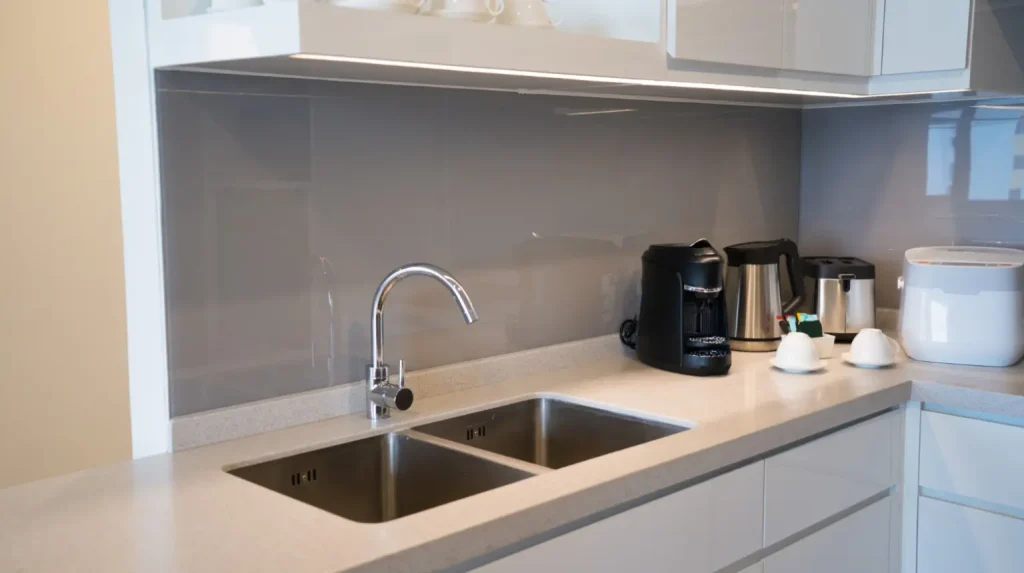
Kitchen Sink
If you’re planning a kitchen, don’t ignore the kitchen sink. It’s the one thing you’ll use more than the stove some days. A good sink makes work easier. A bad one reminds you of your mistake every single day.
To choose properly, you just need to understand the meaning of sink, the different types available, and which kitchen sink design actually suits your cooking style.
Let’s discuss it in terms of how it actually works on-site and at home.
What Is the Meaning of Sink?
The meaning of sink is simple. It’s a fixed bowl connected to water and drainage, used for washing. In the kitchen, though, the kitchen sink does heavy-duty work. It handles oily pans, pressure cookers, vegetables, plates, and a constant water flow.
That’s why a kitchen sink is not the same as a bathroom sink. It needs to be deeper, stronger, and properly supported underneath. Once you understand the real meaning of sink in a kitchen context, you stop choosing it only by appearance.
A sink isn’t a decoration. It’s a work area.
Why the Kitchen Sink Deserves Attention
Think about your routine. When you cook, you wash your fruits and vegetables in the kitchen sink. After dinner, again, you wash the utensils.
The kitchen sink is the most visited spot in the kitchen.
When the sink is too shallow, water splashes; when it’s too small, big vessels don’t fit. When the installation is poor, the cabinets below start swelling. All of this comes down to picking the right kitchen design from the start.
A good sink makes kitchen work feel smoother. A bad one creates small irritations that build up over time.
Types of Kitchen Sinks
There’s no single “best” sink. It depends on your space and habits.
Single-Bowl Kitchen Sink
This type of kitchen sink works well in compact homes where space matters. Its features include:
- One large section
- Simple layout
- Good for washing large utensils
Double-Bowl Sink
Many families prefer this kitchen sink design because it keeps washing organised. It includes:
- Two compartments
- Wash in one, rinse in the other
- Useful for busy kitchens
Top-Mount Sink
This is one of the most common sink types. It is:
- Placed over the counter cut-out
- Easy to install
- Budget-friendly
Under-Mount Kitchen Sink
This kitchen sink design is common in modern modular kitchens. It is:
- Fixed below the counter
- Cleaner to look
- Easier to wipe water inside
Farmhouse Sink
It looks impressive, but the installation must be solid. Its main features are:
- Large and deep
- Visible front edge
- Needs strong cabinet support
Kitchen Sink Design Trends
Trends change, but comfort doesn’t. Right now, people are choosing:
- Deep rectangular sink shapes
- Matte finishes
- Granite composite options
- Minimal, clean lines
But here’s something important: never pick a kitchen sink design just because it looks good in a display kitchen. A sink that works for daily Indian cooking needs depth and strength.
Style should follow function.
Materials Used in Kitchen Sink
Material decides how long your kitchen sink will last.
Stainless Steel Sink
- Most practical sink option
- Affordable
- Rust-resistant
- Easy to clean
Tip: Thicker steel is better. Thin steel dents easily.
Granite Composite Sink
- Strong
- Scratch-resistant
- Modern look
This kitchen sink design is gaining popularity in newer homes.
Ceramic Sink
- Smooth finish
- Traditional look
- Can chip if handled roughly
Quartz Sink
- Heavy-duty
- Stain-resistant
- Premium pricing
Choose material based on usage, not just colour.
Standard Size Guidelines
Size is where most mistakes happen.
- A regular kitchen sink usually ranges between 24 and 36 inches in width
- Depth should ideally be around 8–10 inches
- Too shallow, and water splashes out
- Too deep, and you’ll bend uncomfortably every day
Before finalising a sink, check:
- Cabinet width
- Counter thickness
- Drain position
The sink must fit naturally into your setup.
Installation Guide
Even the best kitchen sink design fails if installed badly.
- Check Counter Support
Heavy sinks need proper slab strength. Weak support causes cracks near the cut-out. - Align Plumbing Properly
Water inlet and drainage must match the sink position. - Seal the Edges Well
Poor sealing allows water to seep into cabinets. - Ensure Proper Drain Slope
Provision must be made for water to flow smoothly.
A properly installed sink works quietly for years.
Common Mistakes to Avoid
- Buying a shallow sink
- Choosing thin steel to save money
- Ignoring cabinet size
- Skipping proper sealing
A good kitchen sink design should reduce effort, not increase it.
Conclusion
The kitchen sink may not grab attention like cabinets or tiles, but it’s the hardest-working part of your kitchen. Once you understand the real meaning of sink in daily life – durability, comfort, and heavy use – you’ll choose more carefully.
Don’t rush. Measure twice. Think about how you actually cook and clean. A well-chosen sink will serve your home for many years without trouble.
FAQs
1. What is the ideal depth for a kitchen sink?
Around 8–10 inches works well for daily use.
2. Which material is best for a kitchen sink?
Stainless steel is practical. Granite composite offers durability and a modern look.
3. Which is better – under-mount or top-mount?
Both are used extensively. An under-mount sink looks cleaner, but installation needs more care. The top mount is easier to install and cost-effective.
4. What is the best way to avoid water splashing?
A deep bowl can help, but also ensure the faucet is aligned correctly.
5. Can a heavy sink damage the counter?
Yes, if the slab support is weak.
6. How long does a kitchen sink last?
With proper care and installation, 10–20 years or more.