Best Floor Plans for Compact Single-Storey Homes

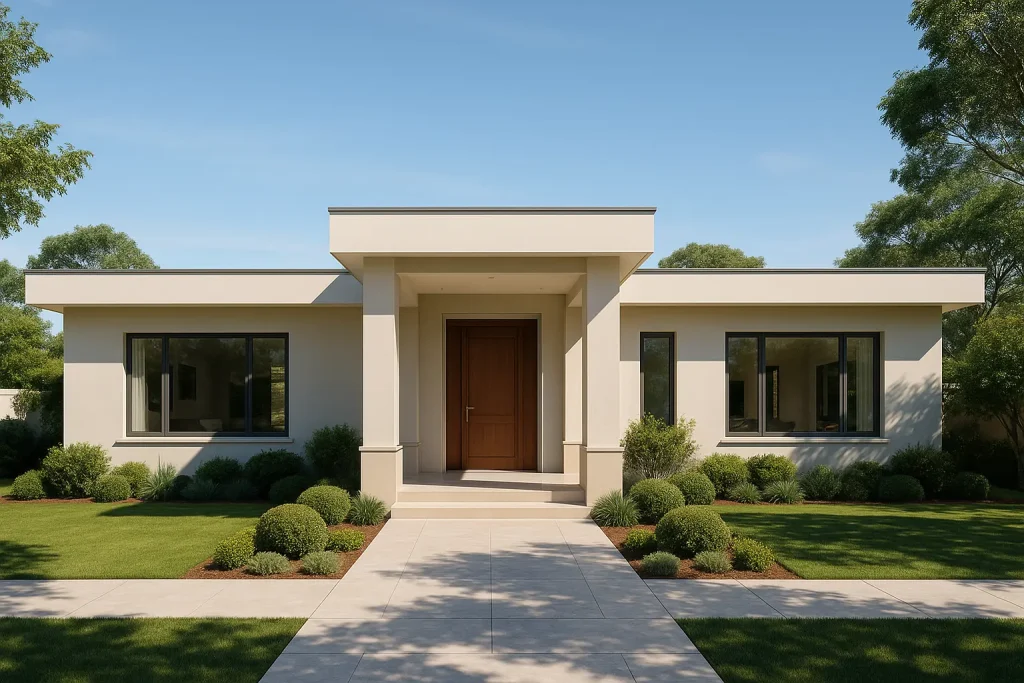
When you picture a cosy, practical home – one where everything feels close, connected, and easy – you’re probably imagining a single-storey space. There’s something comforting about walking through a home without climbing stairs or feeling cut off from your own family. With land sizes shrinking and people opting for simpler lifestyles, the interest in bold single-floor house designs has never been stronger.
The beauty of planning a compact home is that it forces you to think smarter, not bigger. A clever, bold single-floor house plan can make even a modest plot feel open, bright, and unbelievably functional. Whether you’re building in a city, a suburban lane, or even a quiet village, the right bold floor plans for a single-storey home make all the difference.
Let the Layout Work for You
In compact homes, the layout determines everything – privacy, comfort, light, and even storage. Many people assume smaller plots limit creativity, but that’s far from true. Smart zoning – dividing the house into living, sleeping, and utility spaces- helps the home flow naturally.
- A bold village single-floor home front design may start with a small veranda leading into a combined living and dining area. This keeps things airy and social.
- Bedrooms can sit along one side, giving privacy without wasting corridor space.
- Kitchens can be semi-open, making the home feel bigger without feeling exposed.
This kind of bold, simple single-floor house design does two things: it keeps the layout tidy and makes everyday living effortless.
Light, Air, and Open Corners
Compact homes rely heavily on natural light. Even the best furniture won’t help if the home feels dark or boxed in. That’s why architects often use courtyards, skylights, and large windows in a bold modern single-floor house design. These little touches bring in extra sunlight and help rooms feel more spacious than they actually are.
When the plot is tight, a skylight above the dining table or kitchen can create that same magic without using extra land.
- A small square floor plan with a central courtyard.
- The living room opens towards the courtyard, the kitchen faces it, and a bedroom catches the same soft light. Not only does it brighten the home, but it also acts like a tiny lung – circulating fresh air through the day.
- A good, bold single-floor house design makes air and light part of the floor plan, not just an afterthought.
Combining Rooms Smartly
In compact homes, some areas simply work better when combined.
- A living-dining combo is the most common.
- A kitchen with a breakfast counter is another.
- A bedroom with a built-in study nook? Perfect for today’s lifestyles.
These combinations help reduce walls and create more openness. The home feels wider, calmer, and far more welcoming. If you want a clean, balanced look, this style beautifully complements a bold modern single-floor house design with minimal lines and soft colours.
Storage That Doesn’t Show
Small homes can feel messy quickly, so hidden storage is your best friend.
- Built-in wall units, under-seat storage, overhead lofts, concealed wardrobes – each keeps clutter tucked away. When the storage blends into the design, the rooms breathe better. This is especially helpful in homes with a bold, simple single-floor house design, where the emphasis is on clean, functional living.
- In village-style plots, outdoor utility spaces like a small wash area behind the kitchen also help reduce indoor clutter.
- A bold village single-floor home front design often uses a compact backyard or side yard for chores, keeping the main living area peaceful.
Bedrooms That Feel Just Right
A compact home doesn’t need oversized bedrooms. What matters more is how they’re planned.
- Place the bed opposite the windows for morning light.
- Use sliding doors instead of hinged ones.
- Build wardrobes into walls instead of adding bulky cupboards.
These small tweaks make a room feel twice as big. And in a bold floor plan for a single-storey home, placing bedrooms on the quieter side of the plot keeps them restful even in busier neighbourhoods.
Kitchens That Fit the Home
A good compact kitchen relies on triangle efficiency: stove, sink, and fridge placed logically.
- A straight or L-shaped kitchen works beautifully in smaller homes.
- Add open shelves, tall cabinets, and soft lighting, and suddenly the kitchen becomes a happy place, not a cramped one.
- Add a mini utility space just outside the kitchen- perfect for washing or storing extras in bold single-floor house plans.
Outdoor Spaces That Matter
Even compact homes deserve a touch of the outdoors. Whether it’s a small patio, a front garden strip, or just a balcony-style extension, outdoor corners make single-storey homes feel complete.
- For a traditional setting, a bold village single-floor home front design may have a classic sit-out with a couple of chairs.
- For a modern look, you could have a sleek wooden deck or a pergola right at the entrance.
- A few plants, warm lighting, and a neat entry pathway can elevate even the tiniest area.
Why Compact Single-Storey Homes Feel So Good
A well-planned single-storey home feels intuitive. You simply move from one room to another without thinking. You stay closer to your family. You clean less. You maintain less. And the home naturally ages with you.
A good, bold, modern single-floor house design doesn’t try too hard – it just feels right, with-
- Simple layout
- Easy movement
- Natural light
- Open spaces
- Low maintenance
These ingredients make compact single-storey living a joy rather than a compromise.
FAQs
1. What’s the biggest benefit of a single-floor house design?
Easy movement, no stairs, and a natural sense of openness.
2. Can a compact single-floor home still look stylish?
Absolutely. A good single-floor house front design can look modern, warm, or minimal depending on your materials.
3. How do I make a small home feel bigger?
Use larger windows, fewer walls, lighter colours, and open layouts.
4. Is a courtyard necessary?
Not necessary, but even a small skylight or window cluster can create the same airy effect.
5. What’s the best kitchen layout for small homes?
Straight or L-shaped kitchens with tall cabinets and smart lighting.
6. Where should bedrooms be placed?
On the quieter side of the single-floor house plan, away from the entrance.
7. Does a single-storey home work for families with elders or kids?
It’s ideal – no stairs, easy access, safer movement.