Façade Colours & Textures for Indian Climates: A Designer’s Guide with Practical Insights

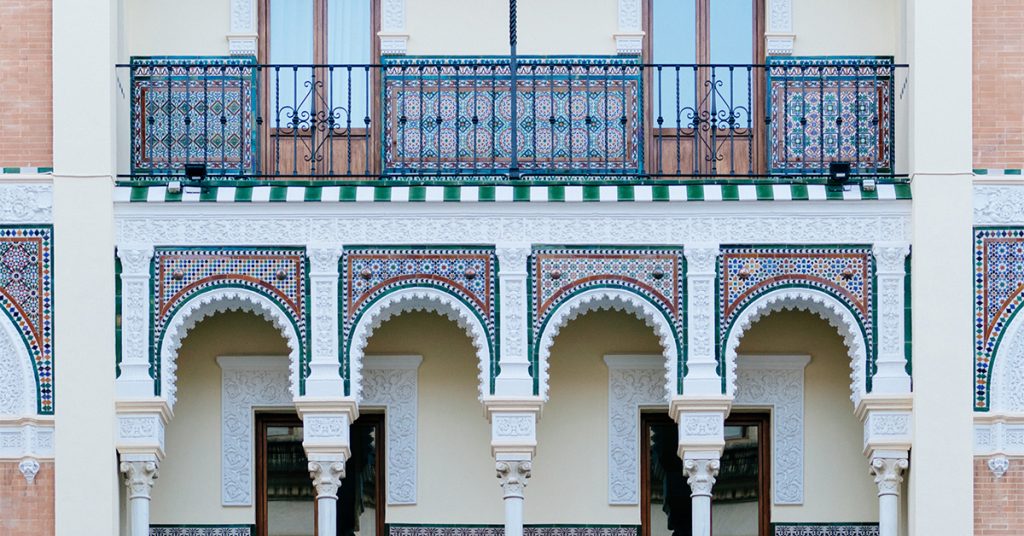
If you’ve ever stood outside your home on a hot May afternoon in Rajasthan, or watched the rain whip against a Goan bungalow in August, you’ll know — the colour and texture of your façade is about far more than beauty. It’s a shield, a statement, and a science experiment all rolled into one.
In India, where we shift from searing summers to pounding monsoons (sometimes in the same month, if you’re unlucky), the right façade finish can protect your walls, keep interiors cooler, and make your home stand out for decades.
This guide walks through the essentials — from the physics of colour to the feel of textures — so you can choose a façade that’s both breathtaking and built to last.
The Climate Factor: Why India Needs Smarter Façade Choices
India’s diverse climate zones mean there’s no one-size-fits-all solution. A Jaipur villa’s needs are entirely different from a Kochi coastal home.
- Hot & Dry (Rajasthan, Gujarat Interiors)
High reflectivity colours like off-whites, creams, and sandy beiges help reduce heat absorption. Smooth textures work well here because they reflect light evenly and resist dust accumulation. - Humid & Coastal (Kerala, Goa, Chennai)
Moisture-resistant textures such as weather-protected plasters, stone claddings, or treated wood are key. Medium to darker earthy tones hide stains from salt and rain splashes. - Tropical Wet & Dry (Maharashtra, Odisha)
Balanced palettes—warm neutrals with bold accents—paired with slightly rough textures to mask water marks and dust lines. - Cold & Hilly (Himachal, Uttarakhand)
Deep, warm tones like terracotta, forest green, or charcoal grey create a visual warmth, while textured finishes like stone masonry add insulation and blend with natural surroundings.
The Science of Colour and Heat
Light colours reflect heat. Dark colours absorb it. But it’s not just about light vs. dark — it’s about solar reflectance and thermal emittance.
- High Reflectance Shades: Off-white, pastel yellows, and pale greys can reduce wall surface temperature by up to 5–7°C in direct sun.
- Balanced Mid-Tones: Muted olives, sandy browns offer reasonable reflectivity with more dirt-concealing capacity.
- Dark Accents: Best used in small areas—around windows, doors, parapets—to avoid overheating large wall sections.
External Wall Texture: Function Meets Feel
Texture isn’t just about how a wall looks — it’s how it performs.
- Smooth Plaster
- Easy maintenance, ideal for dry zones.
- Works beautifully with light, reflective shades.
- Best when paired with high-quality cement-based finishes like JK White Cement for evenness and longevity.
- Easy maintenance, ideal for dry zones.
- Rustic Finish (Sand-faced plaster, scraped plaster)
- Masks imperfections and resists minor cracks.
- Popular in high-humidity or high-rainfall areas.
- Masks imperfections and resists minor cracks.
- Stone Cladding
- Excellent durability and thermal mass.
- Local stone keeps costs and environmental impact lower.
- Excellent durability and thermal mass.
- Textured Paint Systems
- Options like stipple, swirl, or spray textures add depth.
- When paired with waterproof additives, they protect against monsoon seepage.
- Options like stipple, swirl, or spray textures add depth.
- Treated Wood & Composite Panels
- Adds warmth and premium appeal.
- Needs UV and water protection in Indian climates.
- Adds warmth and premium appeal.
Colour–Texture Pairing for Maximum Impact
Think of your façade as a canvas — colour is the tone, texture is the brushstroke.
- Smooth + Light Pastel → Minimalist, modern look; perfect for urban bungalows.
- Rustic + Warm Neutral → Traditional yet durable; masks weather stains.
- Stone + Earthy Shades → Blends with gardens or natural landscapes.
- Wood + Deep Colour Accents → Luxurious, inviting feel.
Durability Starts from Within: The Material Base
No matter how stunning the finish, façade longevity depends on what’s underneath. A high-quality base plaster made with weather-resistant cement and additives will protect your exterior from:
- Moisture ingress during monsoons.
- Thermal expansion cracks in peak summer.
- Efflorescence (white salt stains) caused by poor cement quality.
Here, products like JK Super Protect Weather Shield Cement — with inbuilt water-repellent additives — help façades resist moisture damage. For an even, white-ready base for paints or textures, JK Cement WallMaxX Advanced offers smoothness, adhesion, and extra coverage.
Expert Tips for a Long-Lasting Façade
- Test Swatches on Site – Sunlight and dust can alter how colours look in reality vs. catalogue.
- Mind the Orientation – South- and west-facing walls need lighter shades for heat control.
- Invest in Good Primers – They seal the base, improving paint adhesion and colour life.
- Annual Check-ups – Touch up cracks and recoat protective finishes every 5–7 years.
Bringing it All Together
Choosing the right house façade colours in India and matching them with the right external wall texture is part art, part science. Respect the climate, trust quality materials, and design for the long haul — and your home will look as fresh on its tenth Diwali as it did on day one.
FAQs on Façade Colours & Textures
Which façade colours work best for hot Indian climates?
Off-white, light beige, and sandy tones reflect heat and keep interiors cooler.
Do darker colours fade faster in the Indian sun?
Yes, UV exposure fades dark shades quicker. Invest in UV-protective exterior paints.
What is the most durable wall texture for coastal areas?
Stone cladding or high-grade textured plaster with waterproofing additives.
Can I mix smooth and textured finishes on one façade?
Absolutely — it adds visual interest. Just maintain a balanced colour palette.
How often should I repaint or recoat my exterior?
Every 5–7 years, depending on exposure and paint quality.
Does texture affect heat absorption?
Slightly — rough textures may trap more heat but mask dirt better.
Is white always the coolest colour choice?
Thermally, yes. But in dusty areas, slightly tinted off-whites are more practical.
What’s the role of primer in façade painting?
It seals the surface, improves adhesion, and prolongs paint life.
Are cement-based wall putties necessary before paint?
For longevity and smoothness, yes — they prevent flaking and enhance finish.
Can façade textures help hide structural flaws?
Yes, certain textures like sand-faced plaster mask minor cracks and unevenness.