Designing for Natural Light & Ventilation in Homes

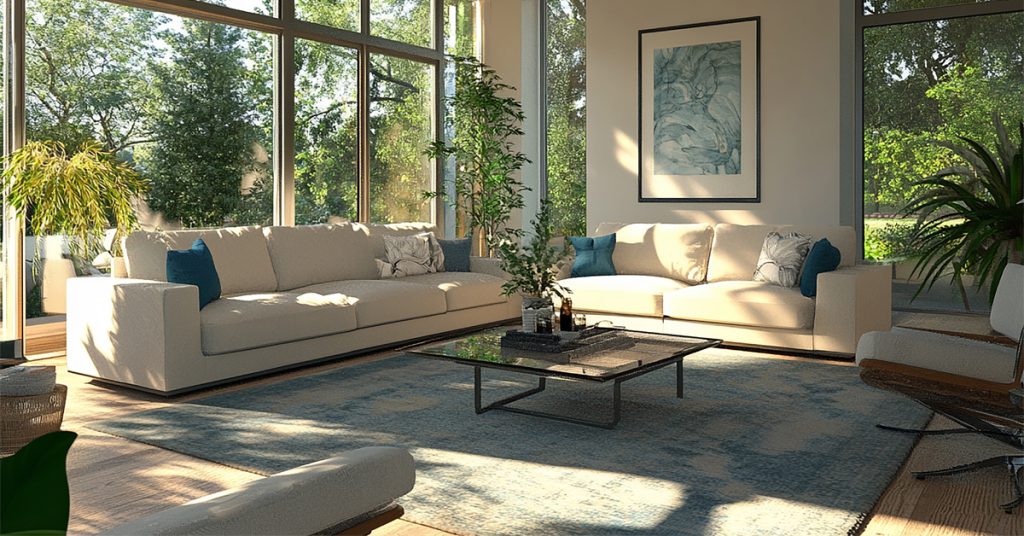
Designing your home to welcome natural light and breeze transforms not just the look, but the entire feel of your space. Picture waking up to soft sunshine drifting through your windows and evening winds whispering through open shutters. It’s not just beautiful—it’s healthier, more energy-efficient, and full of life. Let’s explore some easygoing, real-world ideas for natural light home design and ventilation planning, with tips that fit any Indian home, from cosy apartments to spacious bungalows.
1. Start with Window Placement
Windows are your home’s eyes- place them smartly for ventilation planning.
- East and North exposure brings soft, steady daylight without harsh glare or heat. In India, this can feel like a gentle morning hug.
- Cross-ventilation is key: place windows or vents opposite one another—even small ones—to create a cool draft. A kitchen vent near the stove and a window across the room can whisk away steam and cooking smells effortlessly.
- Clerestory windows (high up near the ceiling) bring in light without compromising privacy or wall space. Great in bedrooms or hallways where you want brightness but not street-level views.
2. Floor Planning for Light & Air
How you lay out your rooms makes a big difference. Floors are effective when planning a natural light home design.
- Keep public areas bright: Position living rooms, dining spaces, and work areas where sunlight lingers the longest, usually east- or north-facing zones.
- Private zones breathe too: Bedrooms and bathrooms benefit when you add smaller windows or ventilators that open out to courtyards or shafts. It’s like giving each room its own breathing space.
- Avoid long dark corridors: If hallways get no daylight, consider skylights, glass blocks, or light shelves to bounce daylight in deeper.
3. Use Lightweight Materials & Reflections
Mirrors, paint, and glass do wonders for natural light home design.
- Light-colored floors and walls reflect sunlight deeper into rooms—white marble, pastel tiles, or light wood all help.
- Mirrors opposite windows double the effect. Try a full-length mirror in a hallway or a framed piece near your living room window.
- Translucent partitions let light pass while keeping spaces separate—perfect for small apartments where every ray counts.
4. Roof and Ceiling Strategies
Don’t forget the top. Roofs and ceilings are a great place to make natural light effective.
- Skylights are game-changers. Even a simple glass panel in a flat or sloping roof floods spaces like kitchens, bathrooms, or central halls with sunlight.
- Ventilation planning needs roof vents or wind catchers—classic in many parts of India—to let warm air escape and cooler air flow in.
- Exposed beams or slats painted white or light grey bounce natural light while running across the top—especially nice in rustic or farmhouse-style homes.
5. Smart Shading Solutions
Too much sun can feel harsh, so balance it. Natural light home design includes shading solutions that allow just enough light but protect.
- Overhangs and eaves help shade windows in summer but let low winter sun inside (in northern regions).
- Folding wooden shutters or louvred screens offer flexible light control—open them fully for fresh air or tilt them for privacy and shade.
- Indoor plants like pothos or ferns on window sills or near openings soften the glare, filter air, and make your spaces feel alive.
6. Courtyards and Light Wells
Even compact homes can embrace the outdoors.
- Central courtyards bring light and breeze right into the heart of your home. You’ll hear rain, see the sky, and catch fresh air without stepping outside.
- Light wells or air shafts—narrow vertical openings—bring light and ventilation to middle rooms. A kitchen or small bathroom next to a shaft can never lose its window.
- Balconies and double-height voids help air circulate. A double-height living room with a skylight is ideal for natural light home design – it draws hot air up naturally, keeping lower rooms cooler.
7. Fan and Vent Integration
Natural airflow needs support.
- Ceiling fans work silently with the breeze, circulating air without noisy motors or high energy use.
- Exhaust fans in kitchens and bathrooms should vent outdoors, not into ceilings or ducts.
- Ventilated roofs or ridge vents in sloped structures let hot air escape without fans. Open the vents whenever the sun heats up the space.
8. Seasonal Adjustments
Your home can adapt like a living thing.
- Winter light tends to be low-angled, north-facing glass or east/west windows help capture it and warm interiors.
- Summer manages midday heat: overhangs, grills, or green creeper vines on western walls help cool things down.
- Monsoon breeze is gentle and humid—use open windows in east or north walls to draw fresh air in and keep walls dry.
Simple Real-Life Tips
- Start small: fit a skylight over your kitchen counter or add a high window shelf in a dark hallway.
- Mirror boost: A large mirror can do the work of a second window.
- Fan + Vent: A ceiling fan under a ceiling ventilator can circulate trapped air in a loft or attic.
- Curtain trick: light sheer curtains let the sun in softly—think Diwali glow, not hospital glare.
Natural light home design and ventilation planning go hand-in-hand. When your windows, rooms, and materials cooperate, your home feels brighter, cooler, fresher—and happier. It’s the difference between habitually switching on lights and loving the moment when you walk in at sunset and everything glows softly.
Think of your home as a living organism. Windows are lungs, light is its heartbeat, and airflow is circulation. Design with intention—start by observing your space, note where light and air enter, and see what small changes bring big rewards.
Every ray of sunshine and silent breeze makes a difference—your home isn’t just walls and floors; it’s a space to breathe, grow, and live fully. And those are the homes that feel like home.
Transform your interiors with the timeless elegance of JK Cement. From smooth finishes to vibrant aesthetics, our products bring your design vision to life. Trusted by architects and interior experts across India. Explore JK Cement solutions for your next interior project today
FAQs
1. Which direction is best for windows in Indian homes?
East and north work great. Morning sun from the east is soft, and north light stays steady without too much heat.
2. How do I improve airflow without big changes?
Just open windows on opposite walls if you can. That cross-breeze makes a huge difference, even in a small flat.
3. My home gets too hot. Should I still keep big windows?
Yes, but plan shading. A chhajja (shade) or a leafy plant near the window can cut the heat while keeping the light.
4. Do skylights help in Indian homes?
Definitely. A small skylight over your kitchen or stairwell brings in a lot of light, especially in homes with shared walls.
5. What if there’s just one window in the room?
Use mirrors or pale walls to reflect light deeper. And add an exhaust fan if the air feels stuck.
6. Any affordable ways to cool the house naturally?
Yes — ceiling fans, vents near the roof, and even jali work on doors help warm air escape. Simple fixes go a long way.
7. Do seasons change how we plan ventilation?
They do. In summer, keep west-facing windows shaded. In winter, welcome the eastern sun. Just small adjustments each season help your home breathe better.