Modern Compound Wall Design Ideas for Homes

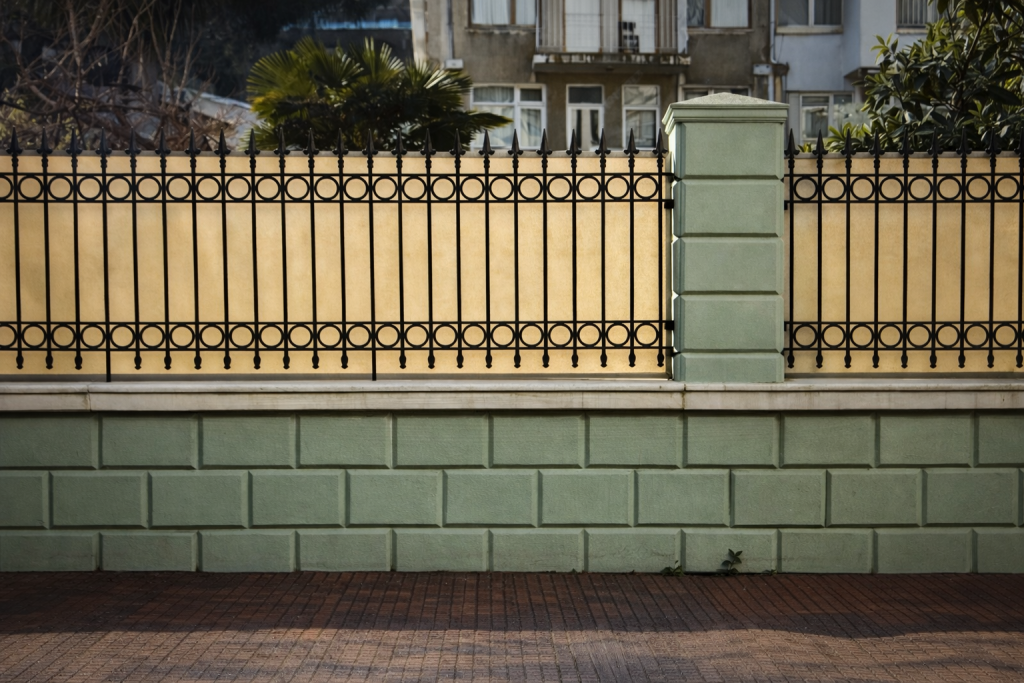
Most people don’t think about their compound wall until the mason asks what design you want. And that’s when the confusion starts. A compound wall design is the first thing anyone sees when they walk past your home. Before the gate, before the porch, before the fancy balcony. It frames the house like a photo border. If it works, the home looks well planned. If it doesn’t, even the best architecture feels incomplete.
In many Indian homes, the wall ends up being a mix of whatever the contractor suggests. But with so many choices now—textures, stones, metal screens, colours—people want something that fits their style and still handles our unpredictable weather. A home compound wall design in India has to deal with dust storms in May, lashing rain in July, and paint-fading heat almost all year. This is why scrolling through random compound wall design photos doesn’t help much unless you also think about what works in a real neighbourhood, not some aspirational luxury villa in another climate.
So here are ideas that people actually use, the ones that don’t feel forced or high-maintenance. Just practical, good-looking, long-lasting options.
1. Clean Concrete With Simple Lines
A lot of new homes stick to a plain concrete wall with a few horizontal or vertical grooves. Nothing flashy. No shouting for attention. This kind of compound wall design works almost everywhere because it doesn’t fight with the house façade. It’s also easy to maintain. Paint it once in a decent shade—grey, off-white, taupe—and it stays neat for years. Grooves break the flatness without adding cost. Contractors like it because it’s quick. Homeowners like it because it stays in shape through harsh sun and monsoon splashes.
2. Stone Columns or Panels
Stone brings a certain grounded feel to a wall. Even two stone pillars on either side of the gate make a big difference. In many house compound wall design plans today, you’ll see tan sandstone, black granite, or slate used in small sections. Stone hides dirt well and stays solid in rain. You don’t need to clad the whole wall—just highlight portions. Daylight brings out natural patterns, and at night, a small LED at the base can make it look premium without being over the top.
3. Metal Screens to Break the Solidness
In tight layouts where neighbours are close, people want privacy without a heavy, closed wall. That’s where metal screens work beautifully. Laser-cut steel panels are everywhere now—geometric, floral, or custom patterns. You’ll see these often in compound wall design photos because they don’t block airflow. They also let in late-evening light in a very subtle way. Put the metal in sections, not the whole wall, so it becomes a feature instead of overpowering the boundary.
4. Small wall planters
Wall plants aren’t exactly a breakthrough, but folks are finding neat ways to use them in homes now.
Instead of full vertical gardens that require heavy maintenance, homeowners install narrower frames with pots tucked inside. It softens the concrete and instantly refreshes the front elevation. This works especially well if the compound wall design feels too sharp and needs a friendly touch. Hardy plants like pothos, money plant, or jade survive easily and don’t need much watering.
5. Textured Plaster for Subtle Character
Some walls don’t need colour. They just need texture. A sand-finish plaster, a wave texture, or even a rough-stone finish gives enough depth. This keeps the wall interesting without adding materials. Textured plaster is a favourite in many compound wall design pattern ideas because it hides imperfections, doesn’t show dust quickly, and looks good with warm white or warm grey shades. Okay, so if you’re tired of repainting all the time, this is for you.
6. Mixing It Up
Modern houses now often put together concrete, wood-look stuff, and thin metal pieces.
It looks high-end without being loud. Wood-finish tiles are popular because they survive outdoors better than real wood. Combine this with a charcoal concrete base and a narrow metal strip, and suddenly the home compound wall design feels richer. This style works best with modern straight-line architecture.
7. Glass Toppers for an Open Look
Think of it as a little strip of strong glass sitting on top of your wall, not a full glass wall like you might see in other countries. It softens the bulkiness and gives a cleaner visual line. Many people choose this after seeing compound wall design photos of larger bungalows, but a slim glass panel can also work for smaller houses. It doesn’t really do anything practical, but it makes the wall look brighter, which is nice.
8. Pillar-Panel Layout
Big walls can be boring if your plot is wide. Breaking it into pillar-and-panel sections keeps the structure strong and the front elevation more rhythmic. This setup suits lighting very well—small LEDs under each pillar cap bring a warm glow at night. Many house compound wall design sketches also place the nameplate or address number on one of these pillars.
9. Cement Jali Sections
Cement grills? They’ve been around for ages, but they’re back in style because they’re super useful. They give partial privacy, allow ventilation, reduce heat, and bring a touch of old-world charm. Jalis work well when you want the compound wall design to feel rooted but not outdated. Use them sparingly—maybe just along the top third of the wall or in repeating blocks.
10. Lighting That Changes Everything
Even a simple wall becomes impressive with the right lighting. People now hide wiring inside the plaster so clean lighting can be installed later. Focus lights, strip lights, or small gate-side lamps uplift the entrance. In many compound wall design pattern ideas, lighting is what makes the wall look “modern,” not the material itself. Warm light always works better than harsh white outdoors.
11. Pick Materials That Last
Cool designs don’t matter if the wall breaks.Boundary walls face the worst of the weather—direct sunlight, rain, splashing mud, and in many areas, moisture from groundwater. Using a solid cement mix and proper curing matters more than the design. Waterproofing helps too, especially near the base. A home compound wall design that looks good but doesn’t survive two monsoons is just wasted money. Build it strong once, decorate it slowly later.
Let’s be real, you don’t swap out your compound wall every other year. Once it’s up, it’s there for the long haul, dealing with everything from scorching summers to monsoon downpours, plus all the usual wear and tear. That’s why getting the design and materials right is super important. A fancy wall made with bad cement is going to crack and look awful fast. But a simple wall, if it’s built well, will still look good years down the line.
That’s where using good cement really counts. Lots of homeowners and builders go with brands like JK Cement because they’re known for being strong, weather-resistant, and consistent – qualities you can’t really see in pictures but that decide how long your wall will actually last. If the foundation is solid, the design will naturally look better and last longer.
FAQs
1. Which compound wall design lasts the longest?
A plain concrete wall with grooves survives heat, dust, and monsoon better than most.
2. Are metal screens safe for boundary walls?
Yes, if the frame is strong and the panel is properly anchored.
3. Do stone-clad walls get damaged in rain?
Good natural stone doesn’t. Cheap stick-on stone does.
4. What height is ideal for a house compound wall design?
Around 5–7 ft for most homes, depending on safety and local rules.
5. Can plants be added to any compound wall?
Yes, but choose hardy plants and light frames to avoid moisture issues.
6. Are jali panels old-fashioned?
Not really. When used in small sections, they look modern and functional.
7. What’s the most common mistake people make?
Skipping waterproofing and using weak plaster, which leads to peeling and cracks.