Best Materials & Paints for Low-VOC, Pollution-Free Interiors

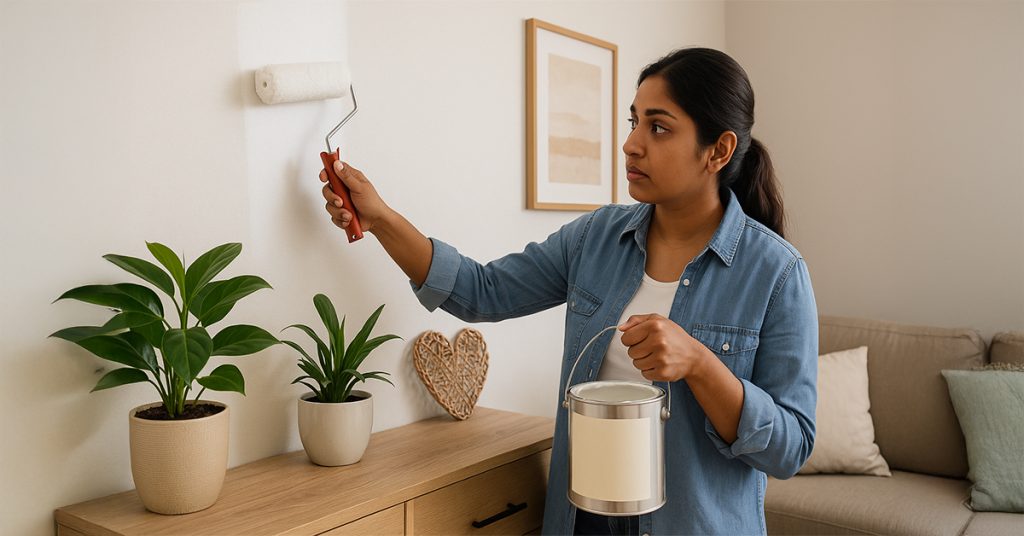
Do you feel a familiar stinging in your eyes and a sharp smell hitting your nostrils when you step into a freshly painted room? That’s your first introduction to VOCs — volatile organic compounds.
They sit in the air long after the paint dries, quietly affecting how you breathe, sleep, and live. And with our homes in India getting more sealed-up for ACs, small spaces, and tight schedules, we’re all starting to care a lot more about clean air indoors.
I’ve seen this firsthand on sites — especially during monsoons when the humidity traps every smell. People think an air purifier home India setup will solve it all, but machines can only do so much. The real game-changer is what we build with: the materials, the coatings, and the paints that decide what you breathe every single day.So let’s talk about the simplest, most practical ways to keep your home low on pollution — from wall finishes to furniture choices — without making it feel like a “green project.” Just normal, everyday decisions that make a home feel lighter, fresher, healthier.
And yes, low VOC paints India have come a long way. They’re not just “eco” products anymore — they’re becoming the new standard for people who don’t want paint fumes lingering for a week.
Start With the Walls — Because They Control Half the Air You Breathe
Walls are the biggest surface area inside a house.Whatever you apply on them will quietly release chemicals for days, weeks, sometimes months.This is where using low VOC paints India makes the single largest difference.
Think of VOCs like invisible smoke — you can’t see it, but your body reacts to it.
A good low-VOC or zero-VOC interior paint cuts that drastically.
The newer ones come with:
* Faster odour dissipation
* Lower ammonia smell
* Better anti-fungal properties (very useful in humid cities)
* Less yellowing over time
If you’ve got kids, elderly parents, or anyone with asthma, this is one of the easiest ways to keep clean air indoors without doing anything fancy.
Wall Putty Matters More Than People Think
A lot of homeowners don’t realise this, but the base layer under paint — wall putty — also plays a huge role.A dense, good-quality putty has fewer loose chemicals, and it grips paint properly so you don’t keep repainting every 2–3 years.
A quality white-cement-based putty:
* Doesn’t release harmful fumes
* Reduces the number of paint coats you need
* Prevents damp patches — a big reason for musty air
And trust me, dampness does more damage to indoor air than dust. I’ve seen entire bedrooms smelling like old cupboards simply because the putty wasn’t moisture-resistant.
Choose Furniture That Doesn’t Off-Gas for Months
When people talk about VOCs, they mostly talk about paint. But the truth is — new furniture off-gases more than walls.Especially:
* MDF or particleboard pieces
* Items with strong glues
* Laminates with chemical coatings
If you’re buying new, try these low-pollution options:
* Solid wood with natural polish
* Water-based PU finishes
* Low-formaldehyde laminates
* Bamboo furniture (steady, durable, and surprisingly long-lasting)
Think of this as treating your home like a long-term investment in breathing. If your family spends a lot of time indoors, it’s worth skipping the cheaper, chemically-heavy boards that smell for months.—
Flooring That Helps You Breathe Better
Flooring can also release VOCs, especially vinyl and laminate.
Better options:
* Natural stone (Kota, granite, marble)
* Vitrified tiles
* Real wood with low-VOC sealers
If you’re using laminate or engineered wood, check for “E1 grade” or “low formaldehyde” labels.Even contractors now understand these terms — just ask during discussion, and they’ll point you in the right direction.
Adhesives and Sealants: The Silent VOC Sources
A lot of small things like tile adhesives, waterproofing chemicals, and wood glue can release micro-level VOCs too. You don’t smell them, but they hang around.
Some builders are now moving to:
* Water-based adhesives
* Low-VOC wood glues
* Eco-friendly sealants (silicone or acrylic versions)
It’s not complicated — just ask for low-VOC options. Most brands have them now; people simply don’t ask.—
A Simple Routine to Maintain Clean Indoor Air
Even if you use the best materials, homes need a small routine shift to maintain good air quality.
A few things I’ve seen work on real sites:
* Keep windows open for 20 minutes in the morning
* Try indoor plants (money plant, areca palm, snake plant)
* Avoid burning incense daily — it adds fine particulate matter
* Let furniture “air out” before shifting in
* Use an air purifier home India model if you live in a dense metro
But honestly, the best long-term solution will always be the materials you choose, not the gadgets you buy later.—
The Role of Modern Paint Technology
Paint technology is changing.Many interior paints now don’t just avoid chemicals — they actively improve indoor air.
Some new paints offer:
* Anti-bacterial surfaces
* Anti-dust finish
* Odour-absorbing additives
* Moisture-control features
When paired with low VOC paints India, you’re essentially creating a cleaner living envelope inside your room.
I’ve seen homeowners surprised that a freshly painted home doesn’t “smell like paint” anymore. That’s exactly how it should be.
If You’re Renovating, Here’s the Easiest Low-Pollution Checklist
Use this during your next painting or construction cycle:
1.Choose low / zero VOC interior paints
2. Pick a high-quality, low-emission wall putty
3. Ensure proper room ventilation for at least 48 hours after painting
4. Go for water-based finishes for woodwork
5. Use natural or vitrified flooring materials
6. Pick furniture with minimal chemical coating
7. Avoid synthetic room fresheners — they undo all your effort
Just this list alone reduces indoor pollutants by 50–60% based on real-world results. When you’re trying to create a cleaner, healthier home, it’s never just about the paint shade. It starts much deeper — with the walls, the moisture control, the air you breathe every single day. On most sites I’ve worked on, you can actually feel the difference when the base materials are chosen right.
JK PPC Cement helps get those smooth, even surfaces that make low-VOC paints settle beautifully. JK Super Protect Cement keeps damp patches from creeping in later — something we’ve all seen happen during monsoons. And if you’re trying to build responsibly from day one, JK LC3 Cement — India’s first low-carbon cement — cuts down the footprint without changing the way you build.
Then comes the final layer you live closest to: the paint. JK MaxX Paints, being low-VOC, keep that indoor air a lot fresher — especially important if you have kids, elders, or just want to breathe cleaner inside your own home.
Strong structure. Cleaner air. A home that actually feels good to walk into.
That’s the difference when you build with care — and build with JK Cement.
FAQs
1. Do low-VOC paints really make a difference?
Yes, low VOCs are really effective. They reduce indoor fumes drastically and help maintain clean air indoors, especially for kids and elderly family members.
2. How long do VOCs stay in a room after painting?
Traditional paints can emit VOCs for weeks. Low VOC paints India usually clear up within a day or two.
3. Which indoor plants help with air quality?
Areca palm, snake plant, peace lily, and money plant are great for improving clean air indoors.
4. Are water-based wood finishes better than solvent-based?
Absolutely. They dry faster, smell less, and release far fewer chemicals.
5. Do I still need an air purifier with low-VOC materials?
If you live in a metro or near a busy road, an air purifier home India setup helps. Indoors become safer, but outdoor pollution still seeps in.
6. Are wall putties also available in low-VOC versions?
Yes. Good quality white-cement-based putties naturally have very low chemical emission.
7. How can I test if my furniture is off-gassing?
If you open a cupboard and smell a strong chemical or glue-like odour, it’s off-gassing. Air it out for a few days or keep a bowl of baking soda inside.