The Modern Standard: Why Tile Adhesive is Essential for Your Home

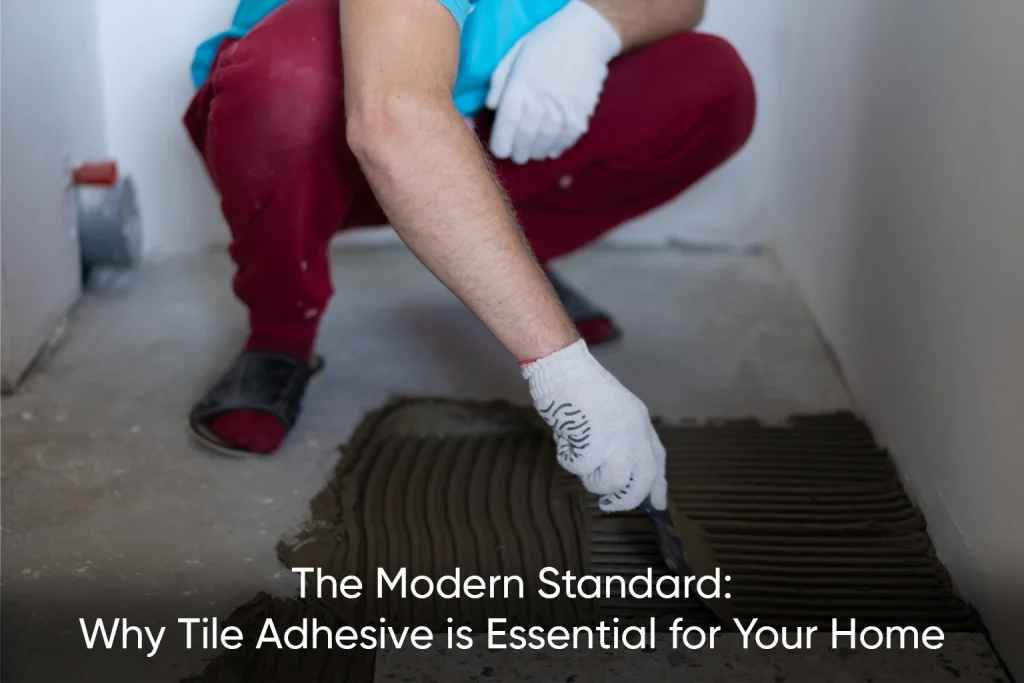
When it comes to home renovation, the durability of your floors and walls depends entirely on what lies beneath the surface. For decades, the go-to method for fixing tiles was a simple mixture of sand and cement. However, as tile technology has evolved—moving from porous ceramic to dense, non-porous vitrified and porcelain materials—traditional mortar can no longer provide the grip necessary to keep them in place. This shift has led to the rise of specialized tile adhesives, which are factory-engineered blends of cement, graded sand, and liquid polymers designed to create a bond that is far stronger and more flexible than basic cement.
The primary advantage of using tile adhesive lies in its superior bonding strength and “deformability.” Unlike sand-cement mortar, which is rigid and prone to cracking under pressure, polymer-modified adhesives act as a shock absorber. This is particularly important in regions with fluctuating temperatures; as tiles expand and contract, the adhesive moves with them, preventing the common and costly problem of tiles “popping up” or buckling. Furthermore, because adhesive is applied using a notched trowel, it ensures 100% coverage behind the tile. This eliminates the hollow air pockets that often lead to “drummy” sounds and cracked corners when heavy furniture or foot traffic is applied.
Beyond structural integrity, tile adhesives offer significant practical benefits during the construction process. They are incredibly easy to use, requiring only the addition of water to create a ready-to-use paste, which significantly speeds up the installation timeline. There is also no need to soak tiles in water beforehand, reducing mess and labor costs. For specialized areas like bathrooms, swimming pools, or exterior cladding, there are specific water-resistant and high-grip formulas that provide an extra layer of protection against moisture seepage and gravity.
In conclusion, while traditional methods might seem like a way to save on initial material costs, they often lead to expensive repairs and hollow tiles just a few years down the line. Investing in the right grade of tile adhesive ensures a professional, level finish that can withstand the test of time and environmental stress. Whether you are installing a small kitchen backsplash or tiling an entire living room, choosing a high-quality adhesive is the most important decision you can make to guarantee the longevity and beauty of your home’s surfaces.
FAQs
1. Why is tile adhesive considered the modern standard for home tiling?
Tile adhesive is considered the modern standard because it is engineered to bond dense, non-porous tiles like vitrified and porcelain, which traditional sand-cement mortar cannot grip effectively. Its polymer-modified composition delivers higher bonding strength, flexibility, and long-term durability, ensuring tiles stay firmly in place for years.
2. What problems occur if sand-cement mortar is used instead of tile adhesive?
Using sand-cement mortar can lead to poor adhesion, hollow sounds (“drummy tiles”), cracked corners, and tile pop-ups. Since mortar is rigid and lacks flexibility, it cannot absorb thermal movement, making it unsuitable for modern tiles and temperature-fluctuating environments.
3. How does tile adhesive prevent tiles from cracking or popping up?
Tile adhesive contains liquid polymers that add deformability, allowing the adhesive layer to act as a shock absorber. As tiles expand and contract due to temperature changes, the adhesive moves with them, preventing stress cracks, debonding, and surface buckling.
4. Is tile adhesive better for bathrooms, pools, and exterior walls?
Yes. Specialized tile adhesives are available for wet areas, swimming pools, and exterior cladding. These formulas offer water resistance, strong grip, and sag resistance, protecting tiles from moisture seepage, gravity stress, and weather exposure.
5. Does using tile adhesive really save time and cost in construction?
Absolutely. Tile adhesive is ready to use with just water, eliminates tile soaking, ensures full bedding with a notched trowel, and reduces installation time. While the initial cost may be slightly higher than mortar, it significantly reduces future repair costs, making it more economical in the long run.