What Is Epoxy? Applications in Construction

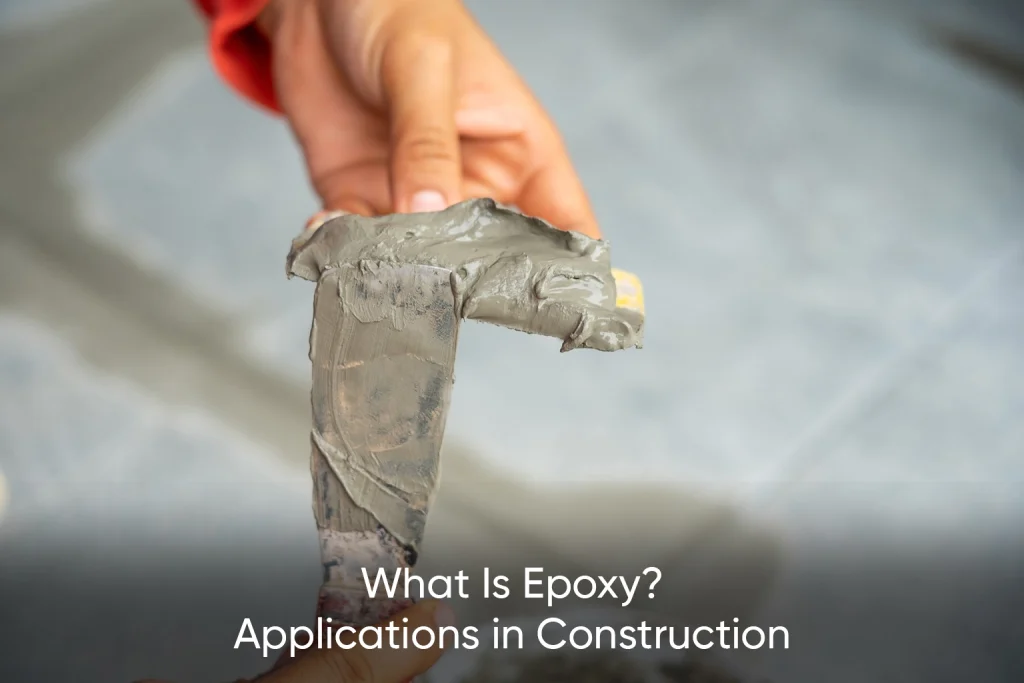
To understand the role of epoxy in the modern building industry, it is helpful to first define the material itself before exploring its specific applications in flooring and tiling as highlighted in the JKTylo® range.
What Is Epoxy?
Epoxy is a specialized class of synthetic polymers containing “epoxide” groups. In construction, it is most commonly used as a two-part system consisting of a Resin and a Hardener. When these two components are mixed, a chemical reaction occurs that transforms the liquid into a rigid, incredibly strong, and durable solid. This process is known as “curing.” Once cured, epoxy becomes resistant to water, chemicals, heat, and heavy mechanical stress.
Epoxy vs. Cement: Why Choose Epoxy?
While cement-based products have been the standard for decades, epoxy offers several superior technical advantages:
· Strength & Adhesion: Epoxy forms a chemical bond that is significantly stronger than the mechanical bond of cement.
· Waterproofing: Unlike cement, which is porous and can absorb water or stains, epoxy is 100% non-porous and waterproof.
· Flexibility: Epoxy has higher tensile strength, meaning it can handle structural vibrations and slight movements better than rigid cement.
· Chemical Resistance: Epoxy is unaffected by acids, oils, and harsh cleaning chemicals, which would typically erode or discolor cement.
Applications in Construction & Flooring
Due to its “Unshakeable Power,” epoxy flooring is used in various critical areas:
· Industrial Flooring: Used in factories and warehouses to withstand heavy machinery and chemical spills.
· Protective Coatings: Applied to surfaces to prevent corrosion and wear.
· High-Performance Adhesives: Specialized products like JKTylo 999 PU Grip (while polyurethane-based, it shares the high-flexibility goals of epoxy systems) are used for “impossible” substrates like metal, glass, or plywood.
Epoxy for Tiles: JKTylo 2K Eazy
In the world of tiling, epoxy is most commonly used as a grout. JKTylo 2K Eazy is a high-performance, two-component epoxy grout designed to fill the joints between tiles.
· Stain & Bacteria Resistance: Because it is non-porous, it does not absorb spills or support the growth of mold and mildew, making it ideal for kitchens and hospitals.
· UV Resistance: Unlike many standard epoxies that yellow in the sun, JKTylo 2K Eazy is engineered to be UV resistant, making it perfect for external areas like balconies and terraces.
· Waterproof Seal: It is the preferred choice for “wet areas” such as swimming pools, bathrooms, and saunas.
Epoxy Tile Grout Colors
Gone are the days when grout only came in grey or white. JKTylo epoxy grouts feature Color-Lock Technology, ensuring that the joint color remains vibrant for years.
· Aesthetic Matching: With a wide variety of shades available in the JKTylo shade card, you can match the grout perfectly to your tile color or choose a contrasting color to highlight the tile pattern.
· No Fading: The chemical structure of the resin prevents the pigments from washing out or fading due to sunlight or harsh cleaning.
In summary, while cement is suitable for basic applications, epoxy is a premium construction material designed for those seeking a waterproof, stain-proof, and “unshakeable” finish for their home. By choosing a product like JKTylo 2K Eazy, you ensure that your floors and walls remain as beautiful as the day they were installed.
Tile Epoxy Grout Colour Trends: Best Shades to Use in 2026
To understand the impact of a tiling project, one must look closely at the details—specifically the lines between the tiles. Choosing the right grout color is a design decision that can transform a room from ordinary to extraordinary. With the JKTylo® range, the introduction of JKTylo 2K Eazy and Premium Epoxy Grout has revolutionized this choice by offering Color-Lock Technology.
Why Epoxy Grout Color is a Game-Changer
In the past, grout was seen as a functional necessity that eventually turned yellow, grey, or moldy. Because epoxy is a non-porous resin, the pigments are locked into the chemical structure. This means the color you choose on day one is the color you will see ten years later, regardless of exposure to sunlight, moisture, or heavy cleaning.
1. The Monochromatic Look (Matching Colors)
If you want your space to feel larger and more seamless, the best strategy is to match your grout color to your tiles.
· Application: Use a soft white or cream epoxy with light marble to hide the joints completely.
· The JKTylo Advantage: For white stones, using JKTylo 606 Platinum White Adhesive alongside a matching white epoxy grout prevents any dark shadows from ruining the “infinite floor” effect.
2. High-Contrast Design (Bold Statements)
Contrast is used to highlight the shape and pattern of the tiles. By choosing a grout color that stands out, you turn the tile layout into a geometric work of art.
· Classic Choice: Dark grey or black grout with white subway tiles. This is popular in industrial and “farmhouse” kitchen designs.
· Vibrancy: Because JKTylo 2K Eazy is UV resistant, you can use deep, rich colors in sun-drenched areas like balconies without worrying about the color fading.
3. Practicality Meets Style
When choosing colors for high-traffic areas, practicality is key.
· For Kitchens: Grease and spices like turmeric can stain traditional cement grout. Using a mid-tone “sand” or “mocha” epoxy grout in the kitchen ensures that even if a spill occurs, the 100% stain-resistant surface will wipe clean without leaving a mark.
· For Swimming Pools: Sky blue or aqua grouts enhance the “blue-water” effect of a pool. Since JKTylo epoxy is chemical resistant, the chlorine won’t bleach the pigment out of your pool joints.
4. Special Effects and Metallics
Modern epoxy grouts allow for specialized additives. Some premium installations include “Glitter” or “Metallic” fillers mixed into the epoxy resin. This adds a subtle sparkle to the joints, which is particularly stunning under bathroom LED lighting or in glass mosaic installations.
How to Choose Your Shade
Before finalizing your color, consider the “Rule of Three”:
1. Tile Color Compatibility: Does the grout pull a secondary tone from the tile’s grain or marble veining?
2. Room Lighting: Dark grouts can make a small, poorly lit room feel cramped.
3. Maintenance: While epoxy is easy to clean, lighter colors in high-traffic entryways will still show surface dirt more quickly than mid-tones.
Summary With JKTylo 2K Eazy, you aren’t just filling a gap; you are sealing your floor with an “Unshakeable” shield of color. Whether you want a seamless white finish for a spa-like bathroom or a bold contrast for a modern kitchen, the right epoxy grout color ensures your design remains vibrant, hygienic, and beautiful for a lifetime.
FAQs
1. What is epoxy and why is it used in construction?
Epoxy is a high-performance synthetic polymer used in construction as a two-part system consisting of resin and hardener. Once mixed, it forms a rigid, waterproof, chemical-resistant, and extremely durable surface, making it ideal for flooring, coatings, adhesives, and tile grouting.
2. What is the difference between epoxy and cement-based products?
Epoxy offers superior strength, waterproofing, flexibility, and chemical resistance compared to cement. While cement is porous and absorbs stains, epoxy is 100% non-porous and provides long-term protection against moisture, acids, oils, and heavy wear.
3. Where is epoxy commonly used in construction and flooring?
Epoxy is widely used in industrial flooring, protective coatings, high-performance adhesives, and tile grouting. In residential and commercial spaces, epoxy grout is preferred for kitchens, bathrooms, swimming pools, hospitals, and balconies.
4. Why is epoxy grout better for tiles?
Epoxy grout is stain-resistant, bacteria-resistant, waterproof, and UV-resistant. Products like JKTylo 2K Eazy Epoxy Grout use Color-Lock Technology to ensure long-lasting colour, making them ideal for both indoor and outdoor tile installations.
5. How do I choose the best epoxy grout colour for my tiles?
Select grout colour based on tile shade, room lighting, and maintenance needs. Matching colours create a seamless look, while contrasting shades highlight tile patterns. Mid-tone colours are ideal for high-traffic areas, and UV-resistant colours work best for outdoor spaces.