Pervious (Porous) Concrete for Sustainable Urban Flooring

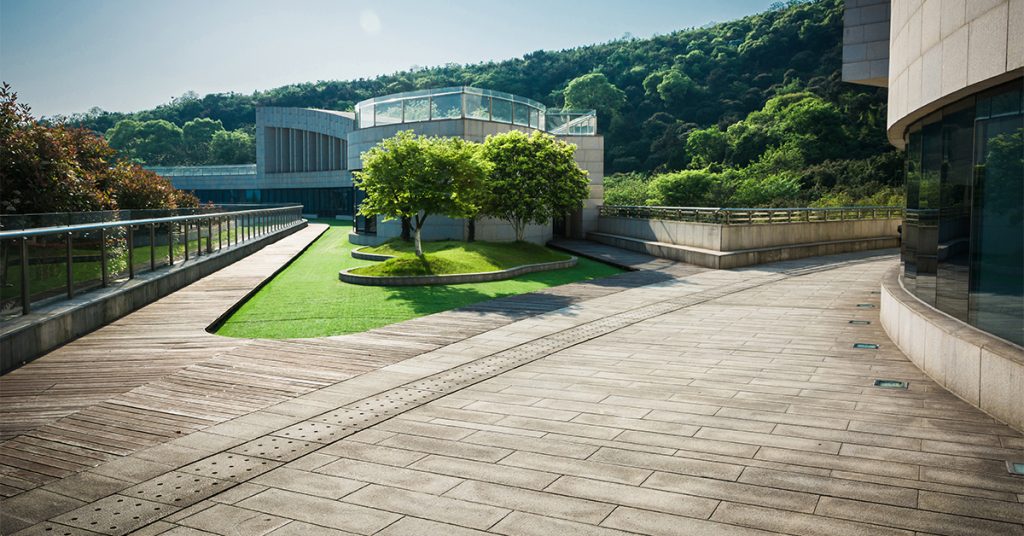
Imagine walking down a street after a heavy rain and not seeing puddles—just a smooth, dry surface that lets water flow through. That’s the magic of pervious concrete, a smart, eco-friendly building option gaining ground in India’s cities.
What Is Pervious Concrete?
Pervious concrete, also known as porous concrete flooring or no-fines concrete, is a special mix where we skip sand. Instead, we use coarse gravel, cement, and water to make a network of tiny air pockets. These allow rainwater to trickle down, not stand on top
Think of it as a sponge-like surface: durable enough to walk or drive on (light traffic) but letting water flow through, so it never pools.
Why It Matters in India
1. Rain-friendly streets
Our cities face heavy downpours. Mumbai and Bengaluru are particularly prone to flooding. Pervious concrete flooring acts like a sponge, allowing water to seep into the soil instead of flooding roads and clogging drains.
2. Boosting our groundwater
Urban development often stops rain from reaching aquifers below. But porous concrete flooring lets that water pass through, recharging groundwater, especially valuable in low-rain areas
3. Cooler underfoot
Traditional concrete heats up and radiates warmth back—a real problem in India’s summers. Pervious concrete flooring drains faster, stays cooler, and even lets moisture evaporate from below—reducing the “heat island” effect
4. Cleaner run-off
As rainwater filters through the porous concrete flooring, it’s also purified, trapping pollutants before they hit our rivers and drains .
Where It Works Best
Pervious concrete flooring isn’t for highways. It’s perfect for low-traffic uses like:
- Driveways and parking lots
- Footpaths and pedestrian zones
- Residential streets
- Patio decks and pool surrounds
- Greenhouses and garden paths
In India, it’s already being used in flood-prone Bengaluru neighbourhoods, helping prevent waterlogging.
How It Works
Voids: About 15–25% of its volume is open space, letting around 3–8 gallons of water flow per square foot each minute
Strength: Generally suitable for light use, with compressive strengths between 3.8–28 MPa—strong enough for sidewalks, patios, and some roads
Heat and sound: It releases heat back slower and allows trapped sound to escape, making spaces cooler and quieter .
What to Keep In Mind
Every innovation comes with a catch. Pervious concrete in India has its constraints-
- Lower load capacity: Not for heavy-traffic roads or industrial areas .
- Sensitive curing: Needs careful mixing and quick covering to prevent drying out too fast
- Requires maintenance: Voids can clog with debris; vacuum cleaning or pressure washing is needed to maintain permeability
- Higher initial cost: You might spend more upfront, but savings on drainage infrastructure and long-term upkeep balance it out
Installation Tips
- Choose the right mix: Use around 0.28–0.40 water-cement ratio and coarse aggregates (9.5–12.5 mm)
- Prep the base: Lay a compacted gravel or crushed-stone base 200–600 mm deep to help absorption and shore up the structure .
- Lay & cure properly: Pour, level, then immediately cover with plastic for curing. Then let it stay undisturbed for days .
- Maintenance plan: Schedule annual cleaning to keep voids clear. Avoid covering it with mud or leaves that might block pores .
Why It’s a Smart Choice for India
Pervious concrete in India aligns with the country’s need for sustainable urban infrastructure:
- Climate resilience: Handles monsoons and poor drainage well.
- Water security: Helps recharge depleting groundwater sources.
- Cooler cities: Reduces surface heat and makes urban spaces more comfortable.
- Simplified drainage: Cuts the need for complex stormwater systems, saving space and cost
- Green integration: Works well with trees and landscaping by sending moisture and air to roots
In a world where cities chase sustainable solutions, pervious concrete in India emerges as practical, affordable, and impactful. It’s not a cure-all, but for urban India’s sidewalks, parking lots, terraces, and garden pathways, it strikes a balance between function, environment, and beauty.
Think of it this way: conventional concrete is a sealed roof; pervious concrete is a living floor that breathes rain, cools the ground, and makes our streets smarter. For builders and homeowners, it’s a tool to rethink how we build.
With thoughtful design, care, and local innovation, porous concrete flooring could be the silent hero behind cleaner rainwater, cooler streets, and greener cities in India.
FAQs
1. What’s this pervious concrete everyone’s talking about?
It’s a type of porous concrete flooring which has small gaps in it that soak the water. This helps in preventing pooling and waterlogging. Looks solid, but lets the rain pass.
2. Where does it work best in Indian homes and cities?
Both. Footpaths, driveways, garden lanes, and society parking. Anywhere you want less waterlogging.
3. Does it crack or break fast?
Not really. It’s ideal for normal roads for cars or walking, but not so much for heavy vehicles like trucks.
4. Can it help with monsoon flooding?
Yes, a lot. This porous concrete flooring doesn’t let water sit; it soaks in, which helps in clearing the roads of pools of water.
5. Will it help refill the groundwater?
Yes. Instead of water running off the road, it goes down slowly into the soil. It’s good for borewells.
6. Is it very expensive?
It costs a little more than normal concrete, but you save on drains and repairs later, so it balances out.
7. How can it be maintained?
Just keep leaves and mud off. Once in a while, give it a wash or sweep. That’s all.