Infrastructure Development in Homes: Simple Features That Make a House Strong and Comfortable

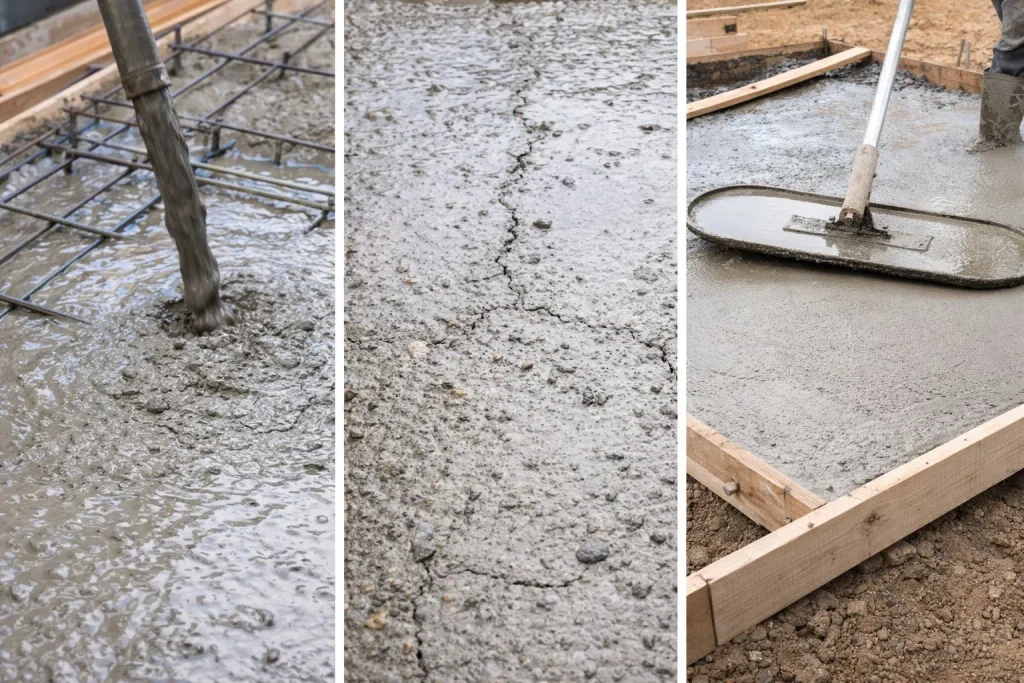
Infrastructure Development in homes means planning the basics properly – structure, water, power, roads, drainage, and materials – so the house stays strong, comfortable, and trouble-free for years. In simple terms, Infrastructure Development means thinking beyond walls and paint. It’s what quietly decides whether a home ages well or starts showing problems within five years. Good housing development starts here.
We often admire a house for its design. But ask any experienced engineer or contractor, and they’ll tell you that most problems in homes don’t come from design. They come from poor Infrastructure Development.
Cracks after one monsoon.
Low water pressure on upper floors.
Frequent power tripping.
Waterlogging outside the gate.
And that’s why understanding what Infrastructure Development means at a home level matters so much, especially in Indian conditions, where climate, soil, and usage are tough on buildings.
What Infrastructure Development Means For A Home
At a national level, we talk about highways, railways, and airports. At a home level, Infrastructure Development means getting the core systems right.
In residential construction, Infrastructure Development includes:
- Structural strength (foundation, columns, slabs)
- Water supply and drainage
- Electrical load planning
- Road access and plinth levels
- Ventilation and natural light
- Long-term durability of materials
Good housing development isn’t about adding more features. It’s about making sure the basic ones don’t fail.
Structural Infrastructure- The Real Backbone
Let’s start with the most critical part of Infrastructure Development – the structure.
This includes:
- Proper soil testing
- Correct foundation depth
- The right grade of concrete
- Well-placed reinforcement
Many homeowners skip soil testing to save money. That’s usually where problems begin. Infrastructure Development means designing the structure based on soil type, not guesswork. In clay-heavy or black cotton soil areas, this becomes even more important.
Good housing development uses quality cement, consistent aggregates, and proper curing. Brands like JK Super Cement are trusted on sites because consistency matters more than anything when strength is involved.
Water Supply And Drainage – Comfort You Feel Daily
Nothing affects daily comfort like water. In home-level Infrastructure Development, water planning includes:
- Correct pipe sizing
- Overhead and underground tank capacity
- Pressure balancing for upper floors
- Proper slope in drainage lines
If drainage isn’t planned well, water stagnates near foundations. Over time, this weakens the structure. That’s why Infrastructure Development means thinking about where water goes, not just where it comes from.
Good housing development always separates grey water, black water and rainwater runoff. This reduces blockages, smells, and long-term maintenance headaches.
Electrical And Power Infrastructure
We use more power at home than ever before. ACs, EV chargers, and even work-from-home setups must be taken into account by modern infrastructure development.
Electrical planning isn’t just about switches. It includes:
- Load calculation
- Separate circuits for heavy appliances
- Proper earthing
- Space for future upgrades
When Infrastructure Development means planning, homes don’t need constant rewiring. Good housing development avoids extension cords and overheating boards.
Access Roads, Levels, And Drainage Around The House
One of the most ignored parts of Infrastructure Development is what surrounds the house.
Before planning or constructing a home or buying one, ask yourself:
- Is the road level higher than the house?
- Does rainwater flow away or towards the gate?
- Is there proper stormwater drainage?
Many urban flooding issues happen because housing development ignores basic infrastructure logic. Infrastructure Development means raising plinth levels correctly and aligning them with road drains.
A dry entrance during monsoons is not luck. It’s planning.
Ventilation, Light, And Internal Comfort
Comfort isn’t just AC capacity – It’s airflow, daylight, and temperature control.
Good Infrastructure Development ensures:
- Cross ventilation
- Correct window placement
- Shaded openings on harsh sun sides
When Infrastructure Development means using climate-smart design, homes stay cooler naturally. This reduces electricity bills and improves living quality – an underrated benefit of good housing development.
Material Quality – Small Choices, Big Impact
Infrastructure fails quietly, usually because of small compromises, be it:
- Low-grade cement,
- Inconsistent sand, or
- Poor curing.
Strong Infrastructure Development depends on material quality. Reliable materials ensure predictable performance. In housing development, using trusted cement brands and correct mix designs reduces cracks, seepage, and repairs.
The Role Of Government-Level Infrastructure In Homes
Roads, water, sewage, metros, and road development come under government-level infrastructure. They are the sources of a comfortable life for the citizens – any failure on the part of the government to provide these basic facilities would directly affect residential comfort.
Homes built in areas with planned housing development benefit from:
- Better connectivity
- Stable utilities
- Higher long-term value
This is where national infrastructure policies quietly influence everyday home life. Infrastructure Development means your home isn’t isolated – it’s part of a larger system.
A good home isn’t defined by how it looks on day one. It’s defined by how it performs over 20 years.
Strong Infrastructure Development ensures that homes stay safe, comfortable, and low-maintenance. When Infrastructure Development means solid structure, smart water planning, reliable power, and good materials, housing development becomes future-proof.
If you’re planning a home, focus on the basics first – that’s where the real value stands.
FAQs
1. What does infrastructure development mean in housing?
Infrastructure development is no different in homes than at a national level. It means planning of water, power, access, the development around and drainage – everything required to make a home functional.
2. Why is infrastructure important in housing development?
Because it prevents recurring problems like cracks, seepage, and electrical failures.
3. Is infrastructure development only about structure?
No. It includes utilities, drainage, ventilation, and surrounding access as well.
4. How does poor infrastructure affect a home?
Poor infrastructure obviously would lead to failure of the structure and malfunctioning of all utilities like power, water, and drainage.
5. Does material quality impact infrastructure development?
Absolutely. Consistent materials ensure strength and durability in housing development.
6. Can good infrastructure reduce energy bills?
Yes. Proper ventilation and planning reduce dependence on artificial cooling.
7. When should infrastructure planning be done?
At the design stage. Infrastructure Development means planning early, not fixing later.