Common House Construction Mistakes to Avoid

Building a home in India? It’s one of the boldest, most rewarding journeys most families take. But I’ve also seen how small missteps can turn into big headaches. Here’s a guide to avoid those common construction mistakes in India.
1. Skipping Soil Testing
You wouldn’t start building without knowing who owns the land, right? Yet many skip soil testing. They grab contracts, dig foundations, and hope for the best. That’s one of the biggest home-building errors to make. Soil quality matters. If it’s weak or uneven, your building could settle oddly, crack walls, or worse. A simple test up front saves a lot of pain later.
2. Overlooking Rain Impact
We all love the rain in India until it ruins our freshly built walls. Often, walls warp because the plaster wasn’t weather-ready. Rain can damage cement, wash away mortar, and even shift slabs. A few extra waterproof coats now can prevent years of dampness and repainting later. In construction, a bit of foresight during monsoon preparations goes a long way.
3. Muddled Measurements
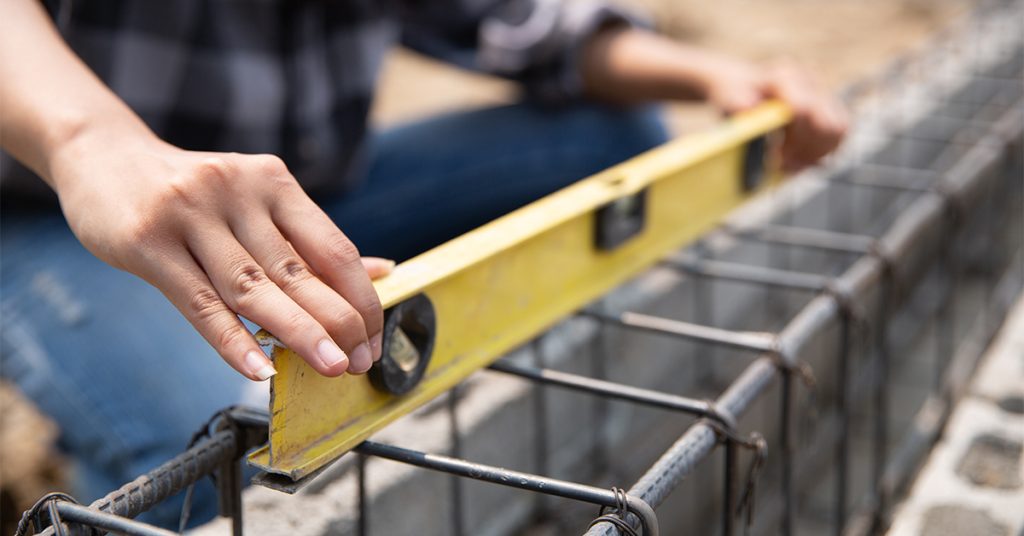
Some homeowners complain of crooked cupboards or wobbly doors. This happens because a 3-inch measurement turns into a 2.5-inch one. These little home-building errors, like incorrect measurement of rooms or windows, can turn your dreamy layout into a daily annoyance. Getting accurate planning and insisting on proper lines during brickwork saves grief later when your furniture doesn’t fit.
4. Underestimating Water Drainage
Imagine you build a beautiful patio, but forget the slope. Next monsoon, it became a pool. This is a classic construction mistake in India – ignoring how water drains off roofs, patios, and driveways. Every outdoor surface needs a slight slope. A little thought now can stop a flood next season.
5. Choosing Cost Over Quality
Yes, budget matters. But mixing low-quality cement with more water? You’re asking for cracks and weak walls. That’s a classic home building error – chasing the cheapest price without checking brand or grade. Go for slightly better cement like OPC 43 instead of OPC 33 – it costs a little more, but the strength and longevity payoff is huge.
6. Forgetting Structural Joints
In multi-storey or long walls, you need expansion joints – small gaps that let the building ‘breathe’. Skip them, and the concrete cracks or bulges in unpredictable places. It’s one of those small construction mistakes that don’t show up right away, but hit hard when it does.
7. Compromising on Reinforcement
Reinforcement steel (rebars) isn’t the place to cut corners. Rule of thumb: buy steel from trusted local suppliers, not a random vendor selling “old stock.” And don’t let masons tie rebars too loosely – gaps bigger than the bar diameter weaken the slab. Quality steel and careful placement aren’t glamorous, but they’re essential.
8. Ignoring Curing Time
Concrete needs water and time to become strong. Rushing the process like drying with fire or the sun, can weaken the structure. A simple cure for a week or so is enough to build up strength. Skipping that is a common home build error that won’t show up today, but will cause cracks in six months.
9. Plumbing Without a Plan
Sometimes, in kitchens where the wash area has been re-plastered many times, the wall becomes too thin. Plumbing lines and drainage pipes installed after the plaster is a big construction mistake in India. The fix? Plan plumbing and electrical lines before flooring or plastering. It saves patchwork and structural weakening later.
10. Poor Supervision
There’s no shame in trusting your mason. But not visiting the site daily? That’s often the biggest home-building error of all. Even small shifts like water mixing ratios or brick-bit thickness need a quick eye. Consider hiring a good site engineer or visiting often. That way, your dream home doesn’t turn into a series of regrets by the time you move in.
11. Flooring Follows Wall Finish
Finishing tiles before walls are painted? Builders who do that often lead to paint spills on tiles or uneven grout lines. Flooring should follow the final layer, especially in living areas. That one little sequencing improvement keeps your home beautiful and clean.
12. Skimping on Ventilation
Don’t overfill your space with cupboards and walls – leave room for cross-ventilation. Windows or vents facing the morning and evening sun help airflow and reduce humidity. In India’s heat, good air movement is less a bonus and more a necessity.
13. Design Dreams Without Budget Checks
You want a sunken lounge here and a Jacuzzi there before you meet your contractor. Then, halfway through, you run out of funds and have no furniture or lighting. That’s a typical home-building error – planning fancy additions before firming up budgets. Ask for a line-item estimate before dreams take flight.
Building a house in India? It’s more than cement and steel – it’s about small details: soil testing, rainproofing, the right materials, and smart planning. Avoid these construction mistakes in India and home-building errors, and you’ll save time, money, and stress.
Think of your home as a relationship – it takes patience, planning, and monthly check-ins. And when done right, every brick is a memory, not a mistake.
FAQs
1. Do I really need to get the soil tested before starting construction?
Short answer: yes. One of the most common construction mistakes in India is skipping this step. People think it’s only for big projects, but even for a small home, soil type affects your foundation. Weak or waterlogged soil can cause cracks later. A basic soil test tells you what kind of foundation you actually need.
2. Is it okay if we buy cheaper cement and bricks to save money?
Tempting, but risky. A lot of home-building errors start with poor materials — low-grade cement, reused bricks, or substandard steel. It may seem like you’re saving money now, but in a couple of years, you might be fixing leaks, repairing cracks, or worse. Use a trusted brand and certified materials. Your house deserves that much.
3. What if the mason says, “We’ll adjust the measurements on-site”?
That’s a red flag. I’ve seen kitchens end up too narrow for fridges, or windows misaligned with furniture. These kinds of home-building errors come from ignoring drawings or “eyeballing” dimensions. Always measure twice and build once. Get things marked properly before bricks are laid.
4. How serious is it if we don’t plan drainage and water flow early on?
Very serious. A slope in the wrong direction can turn your balcony into a kiddie pool every monsoon. Improper bathroom slopes can cause water to sit near doors or corners. This is a frequent construction mistake in India — forgetting to plan water flow, especially in outdoor areas. Fixing this after tiling is expensive and messy.
5. Can I plaster, paint, and move in quickly after slab work is done?
Not a good idea. Concrete needs curing time to gain strength — usually 7–14 days at least. Rushing through plastering or skipping curing is a silent home-building error. The surface might look finished now, but inside, the strength could be compromised. Be patient during this stage. It pays off later.
6. Do we need to be present at the site every day?
You don’t have to live there, but regular site checks make a big difference. Many small construction mistakes — like improper rebar placement, wrong wall thickness, or bad mixing ratios — can be caught early if someone’s keeping an eye. If you can’t be there, hire a site supervisor or ask a trusted family member to drop by daily.
7. Is ventilation really that important? Can’t we just add exhaust fans later?
Ventilation isn’t just about removing cooking smell — it’s about air circulation. Poorly planned homes trap heat and moisture, which leads to dampness and mold over time. A lot of home-building errors happen because people focus on fancy tiles and forget windows. Cross-ventilation, especially in kitchens and bathrooms, makes your home livable, not just look good.