Choosing the Right Plot for Home Construction in India: Your Essential 2025 Guide

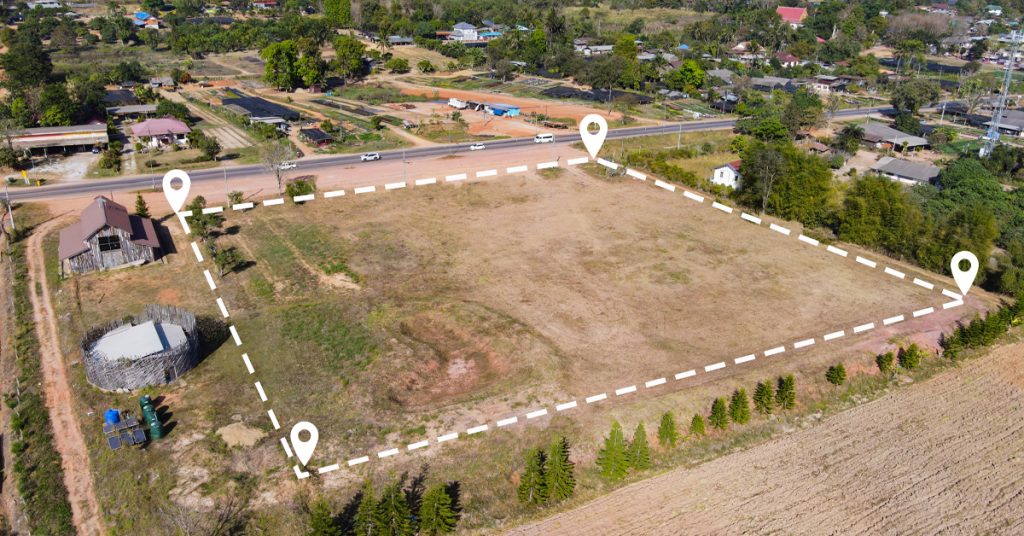
There’s an old saying in construction: the best foundation starts with the right plot. Think of your plot as the canvas for your dream home—it sets the tone for everything that follows. But not all plots are created equal. Picking the wrong piece of land can lead to trouble ranging from legal headaches to structural issues down the line.
If you’re on the hunt for the perfect spot to build your home in India, whether in Delhi, Bengaluru, Pune, or Hyderabad, this guide will walk you through everything you need to know about plot selection for house construction. From legal checks to soil testing, and from practical location tips to Vastu considerations, let’s dive into how you make a winner choice.
Why Is Choosing the Right Plot So Important?
Here’s the deal—your plot determines many crucial things:
- Legal clarity and fewer ownership disputes later
- Foundation stability and compliance with BIS soil codes
- Ease and cost of getting approvals and utilities
- Accessibility and lifestyle convenience
- Natural lighting, drainage, and ventilation
- Resale value and neighborhood quality
One client in Pune made a costly mistake by buying a cheap plot with hidden drainage issues. The waterlogged every monsoon, damaging early foundation work and causing big delays and expenses. Choosing the right plot safeguards you from problems like these.
Key Factors to Consider When Selecting a Plot
- Clear Title and Ownership – Check for a clean title deed and encumbrance certificate.
- Land Zoning & NA Permission – If it’s agricultural land, ensure conversion to residential use.
- Plot Size & Shape – Regular-shaped plots are cheaper to design and build on.
- Elevation & Drainage – Elevated land reduces flooding risks.
- Soil Quality – A BIS:2720 soil test ensures safe foundations.
- Accessibility – Good roads, schools, and hospitals nearby improve convenience.
- Utility Availability – Check if water, electricity, and sewage connections are in place.
- Neighborhood Quality – Look at safety, noise, and future development plans.
- Sunlight & Orientation – North and east-facing plots are better for natural light.
- Restrictions & Easements – Avoid plots with hidden pipelines or right-of-way issues.
Quick-Reference Plot Selection Checklist
| Factor | Why It Matters | What to Check |
| Legal Ownership | Avoid disputes & ensure resale | Title deed, EC, mother deed, mutation records |
| Land Use | Ensure residential approval | NA certificate / Land Use Conversion |
| Soil Quality | Affects foundation cost & safety | Geotechnical soil test (BIS:2720) |
| Elevation & Drainage | Prevent flooding & dampness | Plot higher than road level, slope check |
| Plot Shape & Size | Saves design cost | Regular (rectangular/square) preferred |
| Utilities | Reduces delays | Check nearby water, sewage, power lines |
| Accessibility | Impacts lifestyle & resale | Road width, public transport, hospitals, schools |
| Neighborhood | Safety & comfort | Crime rates, noise, civic amenities |
| Orientation | Better light & ventilation | North/East facing ideal |
| Restrictions | Avoid surprises | Government projects, easements, pipelines |
How Do Legal and Documentation Checks Shape Plot Decisions?
- Verify ownership chain with title deed and encumbrance certificate.
- Check if the land has any pending litigation.
- Confirm no liens or mortgages on the property.
- Ensure land-use conversion approval if buying agricultural land.
- Understand local municipal regulations and building by-laws under CPWD guidelines.
- Get professionals to review mutation and revenue records.
How Does Soil Quality Affect Your Building?
Soil is probably the most overlooked aspect. Different soil types (clayey, sandy, rocky) affect how deep foundations must be and the design of your house. Poor soil can cause:
- Uneven settlement
- Cracks in walls and foundation
- Waterlogging and dampness
Always get a geotechnical soil test (as per BIS:2720 standards) before you finalize a plot. It guides your builder on what foundation technique best suits the land.
What Are Practical Location Considerations?
- Proximity to hospitals, schools, and markets
- Access to public transport and main roads for commuting
- Noise pollution from highways, airports, or factories
- Availability of parks and open spaces
- Safety aspects like street lighting and police presence
- Future infrastructure projects (metros, highways) that can impact value
Do Vastu and Cultural Beliefs Influence Plot Selection?
For many Indian homeowners, Vastu can’t be ignored. Common Vastu tips include:
- Prefer plots facing north or east
- Avoid irregular-shaped or corner-cut plots
- Ensure no overhead electric lines nearby
- Northeast corner should ideally be open and elevated
While it’s personal, respecting these beliefs adds peace of mind and cultural harmony.
Regional Variations: Metro Cities vs Tier-2 and Rural Areas
| Region | Key Factors to Check | Challenges | Advantages |
| Metro Cities | Legal clearance, NA conversion, utilities, resale value | Very high prices, limited options | Strong infrastructure, better amenities |
| Tier-2 Cities | Road access, municipal facilities, upcoming projects | Slower municipal services | More affordable land, good growth prospects |
| Rural Areas | Soil stability, road connectivity, legal clarity | Limited utilities, longer approvals | Low cost, larger plot sizes |
FAQs
Q1: How do I check if a plot in India has clear legal ownership?
Visit the local sub-registrar’s office and verify the title deed, mother deed, and encumbrance certificate. If you’re unsure, hire a property lawyer to confirm there are no disputes, mortgages, or hidden claims.
Q2: Can I build a house on agricultural land in India?
Not directly. You’ll need to apply for Non-Agricultural (NA) permission or Land Use Conversion (LUC) from revenue authorities before starting construction. Without it, approvals will be denied.
Q3: How does soil type affect construction cost?
Soil is the hidden cost driver. Rocky soil usually means stable, cheaper foundations. Clayey or loose soil requires pile foundations or extra reinforcement, which can increase costs by 20–30%. Always get a BIS:2720 soil test before buying.
Q4: What documents should I check before finalizing a plot?
At minimum: title deed, encumbrance certificate, mother deed, mutation records, NA certificate (if converted), and local municipal approvals. A clean chain of ownership is critical.
Q5: Is plot orientation really important for sunlight and ventilation?
Yes. North and east-facing plots are generally preferred in India because they receive better natural light and airflow. South and west-facing plots may require more design adjustments to avoid overheating.
Q6: Should I consult a lawyer before buying a plot?
Absolutely. A property lawyer ensures you don’t miss hidden disputes, government restrictions, or fraud risks. It’s a small upfront cost that saves huge headaches later.
Q7: How important is elevation when choosing a plot?
Very important. A plot lower than road level or in a natural depression is prone to waterlogging during monsoons. Elevated plots with natural slope and good drainage are always safer.
Q8: Can I take a bank loan to buy a plot?
Yes, but banks only approve loans if the plot has a clear title, proper NA permission, and meets municipal zoning rules. Any unclear documentation and your loan will likely be rejected.
Q9: Do municipal bylaws set limits on plot size?
Yes. Many cities set minimum plot sizes (often 600–1,200 sq ft) for granting building approvals. Check with your local authority before finalizing small or irregular plots.
Q10: What’s the safest way to avoid legal problems in plot purchase?
Hire both a lawyer and an architect. The lawyer checks legality, while the architect verifies building feasibility and bylaws. Together, they save you from long-term disputes.
Conclusion: Build Smart, Start Right
Choosing the right plot is not just about buying land—it’s about laying the groundwork for your entire home and family’s future. A plot with clean legal status, good soil (tested as per BIS standards), and a strong location sets you up for fewer headaches and a happier home.
Take your time, consult professionals, and don’t rush. The right plot will reward you with comfort, safety, and value for decades.