Cost of Building a House in India: Your Complete 2026 Guide

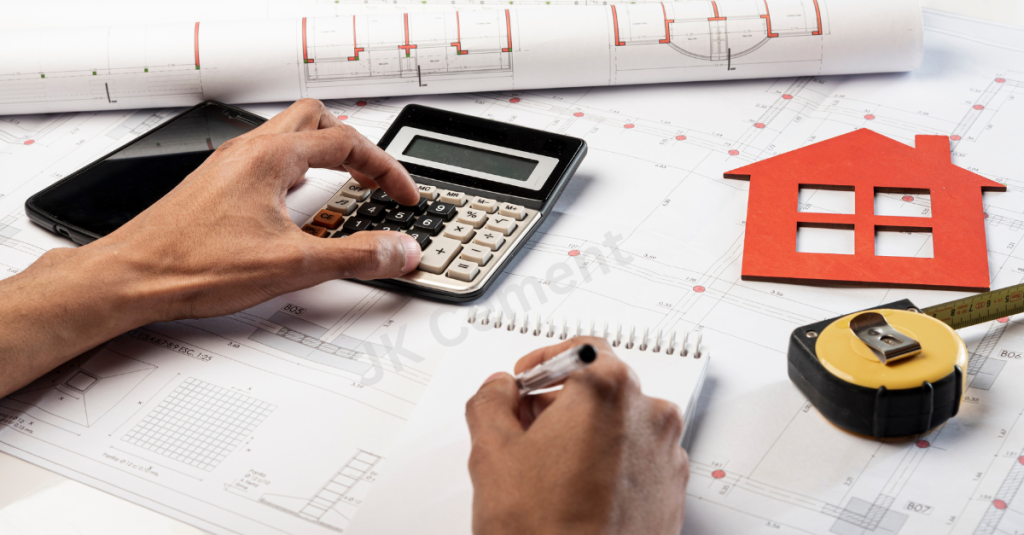
When you stand on a patch of land, sketching your dream home in your mind, the inevitable question arises—how much is it going to cost? Whether you are a first-time homeowner in Pune, a family in Kolkata, or an investor in Noida, the house construction cost in India varies widely depending on region, design, materials, labor, and local conditions. This guide helps you understand the components of cost, current market rates, and how to budget realistically for your home build in 2025.
What Defines House Construction Cost in India?
House construction cost includes all expenses from land to move-in ready home:
- Materials like cement, steel, bricks, sand
- Labor for masons, carpenters, electricians, plumbers
- Professional fees for architects, engineers, and project managers
- Statutory costs such as permits, approvals, and utility charges
- Project overheads including site maintenance, contingency fund, and insurance
Each factor varies by region and project scope but forms the full construction budget.
How Do You Estimate Total Construction Cost for Your Home?
Start with these steps:
- Obtain finalized architectural plans showing the built-up area.
- Multiply built-up area by the average cost per square foot for your location and desired quality.
- Add costs for professional fees, utility connections, boundary walls, interior finishes, and government charges.
Typical budget breakdown by percentages:
| Component | Percentage of Total Cost |
| Material | 50–60% |
| Labor | 25–30% |
| Contractor Overhead | 8–15% |
| Professionals | 8–12% |
For a 2,000 sq ft home, anticipate construction costs between ₹32 lakhs to ₹50 lakhs plus an additional ₹5 to 10 lakhs for extras and contingencies.
What Are Typical Per-Square-Foot Rates in 2026?
| Build Quality | Cost per Sq Ft (₹) | Typical Usage |
| Basic | 1,200–1,400 | Budget builds, rental homes |
| Standard | 1,500–2,200 | Most family homes |
| Premium/Luxury | 2,500–4,500+ | High-end custom homes |
City-wise ranges:
| City | Cost Range (₹/sq ft) |
| Mumbai | 2,700–3,800 |
| Delhi NCR | 2,200–3,000 |
| Bengaluru | 1,800–2,800 |
| Chennai | 1,700–2,500 |
| Kolkata | 1,500–2,300 |
| Hyderabad | 1,600–2,500 |
| Pune | 1,600–2,300 |
Always check with local builders for the latest rates.
How Do Material, Design, and Location Impact Your Final Cost?
Factors that commonly increase costs:
- Use of imported or premium materials (marble, teakwood)
- Complex architectural designs with curves or basements
- Location-based labor and material price differences
- Plot conditions requiring special foundation work
- Building during monsoon season causing potential delays
- Local regulatory fees and compliance requirements
What Are the Major Cost Heads—and How Much Should You Budget?
For a 2,000 sq ft home, approximate costs allocated by category:
| Cost Head | Estimated Cost (₹) | Percentage of Total Cost |
| Cement/Brick/Steel | 12–20 lakhs | 40–50% |
| Labor | 7–10 lakhs | 15–25% |
| Contractor Fees | 2–5 lakhs | 5–10% |
| Architect/Engineer | 2–3 lakhs | 4–8% |
| Plumbing/Electrical | 2–7 lakhs | 8–15% |
| Interior Finishing | 5–10 lakhs | 10–18% |
| Approvals/Legal | 0.5–2 lakhs | 2–4% |
| Miscellaneous Buffer | 2–4 lakhs | 4–7% |
Are There Hidden or Additional Costs You Should Expect?
Prepare for:
- Utility connection charges (water, electricity, sewage): ₹50,000–2,00,000
- Boundary and compound walls: ₹1,00,000–3,00,000
- Landscaping and garden setup: ₹50,000–5,00,000
- Local government or statutory fees: ₹50,000–2,00,000
- Insurance and contingency funds should cover around 10–15% extra of your total budget
How Do Costs Vary Across Different Cities and States?
- Big metro cities like Mumbai, Delhi, Bengaluru typically have higher costs (₹2,000–4,000+/sq ft).
- Tier-2 and smaller cities offer more affordable prices but have a smaller skilled labor pool.
- Regulatory costs, plot approvals, and FSI rules vary by region, impacting overall expenses.
FAQs
1. How much does it cost to build a 1,000 sq ft, 2,000 sq ft, or 3,000 sq ft house in India in 2026?
- A 1,000 sq ft home will cost around ₹16–25 lakhs depending on quality and city.
- A 2,000 sq ft home typically falls between ₹32–50 lakhs, plus extras for interiors.
- A 3,000 sq ft house can range from ₹55 lakhs to ₹90 lakhs or more for premium finishes.
2. What is the average construction cost per square foot in India right now?
For 2026, the average is ₹1,500–2,200 per sq ft for standard homes. Basic builds can start at ₹1,200/sq ft, while luxury projects in metros can touch ₹4,500+/sq ft.
3. Why are construction costs in Mumbai and Delhi higher compared to cities like Kolkata or Hyderabad?
Metro cities face higher costs because of premium land rates, more expensive labor, stricter compliance fees, and higher demand for branded materials. In contrast, tier-2 cities have cheaper land and labor but sometimes limited access to high-quality suppliers.
4. How do materials like cement, steel, and bricks affect the total cost of a house?
Materials form 50–60% of the entire budget. For example, cement and steel prices fluctuate daily. Using imported marble, hardwood, or premium fittings can add lakhs to your final bill. Tracking market rates before bulk purchases helps save 5–10% overall.
5. Can I reduce house construction cost in India without compromising quality?
Yes. Some proven ways are:
- Choosing standardized designs instead of complex curves or basements.
- Using locally available materials like fly ash bricks instead of imported ones.
- Finalizing the plan early to avoid mid-project changes.
- Negotiating labor contracts with milestone-linked payments.
6. What hidden or additional costs do most homeowners forget while budgeting?
Commonly missed expenses include: boundary walls, rainwater harvesting systems, septic tanks, utility connection fees, municipal approval charges, and landscaping. Together, these can add 10–15% extra to the budget.
7. Does the season or timing of construction affect the overall cost?
Absolutely. Building in the monsoon often leads to delays, material wastage, and higher labor costs, increasing the budget by up to 20%. Post-monsoon (October to March) is the most cost-effective season.
8. How much should I set aside as a contingency fund for my house construction?
At least 10–15% of your total budget should be kept aside. This buffer covers unexpected cost hikes, design tweaks, or emergency repairs during the build.
9. Are interior works like tiling, painting, and carpentry included in construction cost estimates?
Not always. Most base construction estimates cover structure only (walls, foundation, roof). Interiors like wardrobes, modular kitchens, flooring, and false ceilings often require an additional ₹5–15 lakhs depending on finish quality.
10. Do construction costs in India increase every year, and by how much?
Yes, construction costs rise 6–10% annually due to inflation in cement, steel, and labor rates. In high-demand markets like Bengaluru or Gurgaon, spikes can be even higher.
11. How much does labor contribute to the house construction cost in India?
Labor typically makes up 25–30% of total cost. Daily wage rates vary—skilled masons in Mumbai may earn ₹800–1,200/day, while in smaller cities it can be ₹500–700/day.
12. What is the cost difference between building a house in a metro city and a tier-2 city in India?
On average, metros are 20–30% more expensive. For instance, a 2,000 sq ft home might cost ₹45–50 lakhs in Delhi NCR but only ₹32–38 lakhs in Bhubaneswar or Jaipur.
Conclusion
Understanding the house construction cost in India gives you the power to plan, negotiate, and build with confidence. Using clear budgets, regional insights, and practical planning, you can avoid the usual stress and surprises. For deeper dives, explore city-specific guides, detailed cost calculator, and vetted contractors to make your dream home a reality.