Waterproofing with Cement: What You Need to Know

Why Waterproofing Matters
One of the biggest threats to the strength and longevity of a structure is – water. Be it any kind of construction- a home, commercial building or a high-rise- dampness, flaking and seepage can make the foundation of a structure crumble. In a country like India, where monsoons in some regions are intense and humidity levels are high, water can seep in from anywhere- floor, walls, roofs, and ceilings- hence, waterproofing is not an option- it’s a necessity.
Waterproofing the structure is the most important step during the construction phase as it protects not only the aesthetics of your home but the core of the building long-term. This is the reason waterproofing with cement plays a crucial role in protecting your home structure from environmental stresses such as
- Flaking
- Paint peeling
- Mold and fungus growth
- Corrosion
- Cracks
Cementitious Waterproofing – How It Works
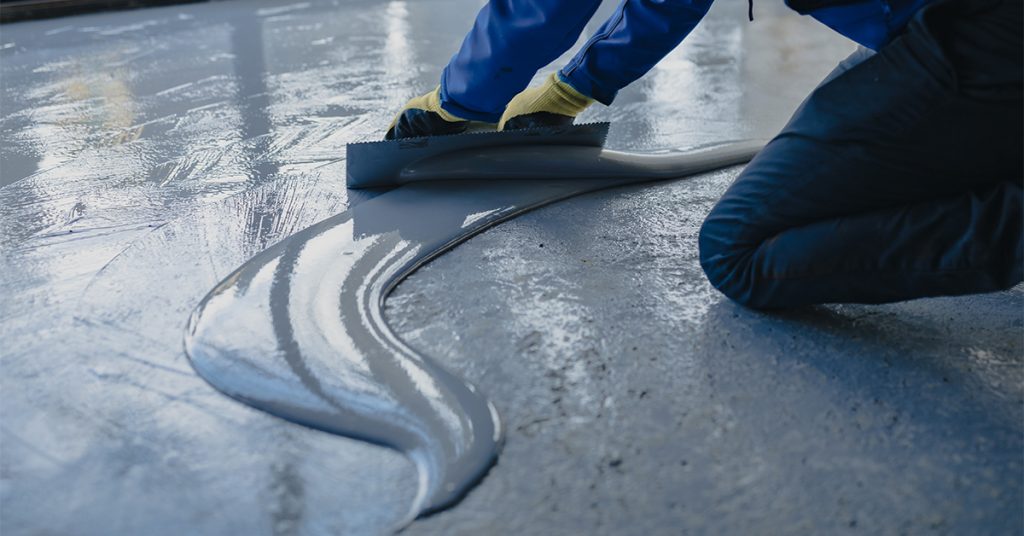
Waterproofing with cement involves the mixing of modified agents in the cement that help create a barrier against water seepage. Cement is blended with aggregates, adhesives and certain waterproofing additives that fill the gaps in the cement, and seal the cracks and pores in the concrete. This is then applied directly on the walls and ceilings, creating a permanent protective barrier that prevents water from seeping into the structure.
Once cured properly and finally, it then becomes a part of the structure. Using the right type of cement is crucial as not every cement type is formulated with waterproofing additives.
Types of Cement Waterproofing
Waterproofing with cement is done in three ways-
- Integral Waterproofing- Done by adding waterproofing agents directly to the cement during construction, it protects the complete structure and is best suited to protect basements, foundations and slabs.
- Surface Waterproofing- This is done by applying, usually on the roofs, bathrooms, balconies, walls and terraces as a coating to form a layer of protection against seepage.
- Crystalline Waterproofing- This is done by adding certain compounds to dry cement and water. The reaction between the three components creates crystals that fill the pores and gaps, creating a protective layer. Because of the highly durable and self-sealing properties of this kind of waterproofing, it is best suited for structures that are used for water retention or underground protection.
Advantages of Cementitious Waterproofing
The advantages of cementitious waterproofing are many- that is the reason it is most commonly used in most constructions in India.
- Easy Application- It can be applied directly onto the masonry surface or the concrete, which makes it easy, quick and user-friendly even for areas that are precariously constructed.
- Strong Binding- Another strength of Cement-based Waterproofing is its ability to form strong and quick bonds with the surfaces, offering increased adhesion and long-lasting durability.
- Underground Protection– If the foundation and base of a structure are protected, the entire structure is protected. Cement Waterproofing prevents structures below the ground such as basements, wet rooms and foundations from the bane of water seepage.
- Protects Steel Reinforcements- The steel reinforcements installed during the construction of the foundation, are prone to corrosion from water contact making them weak over time. Waterproofing prevents ingress of water, protecting the steel rods and strengthening the structure.
Tips for Effective Waterproofing
While cementitious waterproofing is the most convenient method of preventing water-related issues from compromising the durability of a building, some tips for waterproofing must be considered to make it effective-
- It must be ensured that the surface on which the waterproofing cement is to be applied is clean and cleared of any loose dust, oil or other particles.
- Choosing the right type of cement is very important as the strength of your structure depends on it. Compromising on the right cement can incur heavy maintenance costs later. Choose cement that is formulated to offer excellent strength and water-repellant capabilities such as JK Super Protect, and protective components such as JKPROFIX.
- Ensure that the cement is applied evenly throughout the surfaces and uniformly in layers to avoid missing out areas.
- Ensure that curing is done properly and given due time. Cement-based waterproofing requires proper curing before it can form a protective coating and strengthen to its highest ability.
- Last but not least, it is advisable to consult a construction expert, to ensure you don’t miss out on important details and processes.
Waterproofing Products To Use
When the question is of the protection of your home or structure, you need products that are formulated specifically to combat issues related to water seepage. Jk Super Cement is known for creating products for every kind of construction, application and weather. Here are two products that are designed to offer waterproofing solutions.
- JK Super Protect Cement:
This specially formulated product offers increased strength and water-resistant qualities to your structure. Made with high-quality clinker and processed in state-of-the-art facilities, JK Super Protect is created to reduce water sewage in concrete. - JKPROFIX is a cement component designed to protect your home from leaks, dampness, and cracks, especially in sensitive areas like bathrooms, joints, and roofs.
Takeaway
Waterproofing is not just a process in the finishing stage of construction- it is a necessity to retain the structural foundation, strength, dignity and durability of your home. Cement-based waterproofing is easy, quick and withstands the test of time and weather. It is a cost-effective solution, advisable during the initial construction phase to avoid structural problems later on. Whether you are constructing a home or a commercial building, waterproofing with the right cement is indispensable.
FAQs
1. Can cement alone make a structure waterproof?
Not always. While some cement types offer low permeability, waterproofing requires additional compounds.
2. How often should waterproofing be redone?
If applied properly, cement-based waterproofing can last 10–15 years. However, exposed areas like terraces might require inspections or touch-ups every few years.
3. Is cementitious waterproofing eco-friendly?
Yes, especially when using PPC or PSC, which incorporate industrial by-products and reduce CO₂ emissions. These not only perform well but are sustainable choices for the environment.
4. Why choose JK Super Cement for waterproofing projects?
JK Super Cement is engineered for durability, resistance to moisture, and better bonding. With variants tailored for specific environments and structures, it’s a reliable choice trusted by builders across India.